
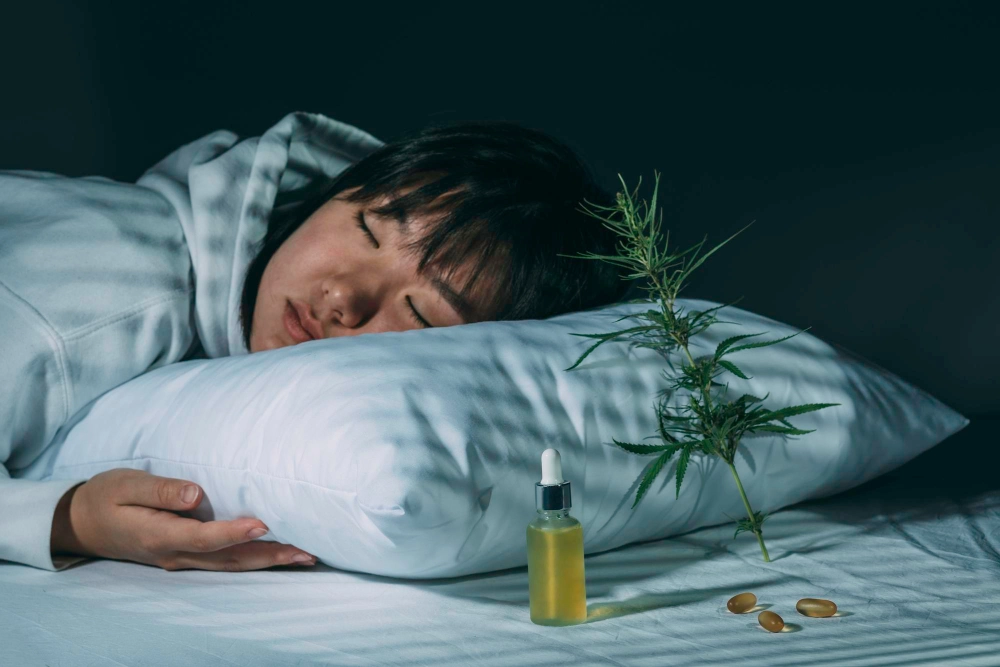
Losing sleep for just one night can leave you overwhelmed, so weeks of poor sleep can leave you drained and unable to focus.
The National Sleep Foundation’s 2025 data shows that 60% of adults are not getting the amount of sleep recommended for healthy functioning. These numbers show how widespread persistent sleep disruption has become.
This leads to one big question many adults ask today: Can you get a medical card for insomnia? But laws differ from state to state, and this creates confusion. Your chances of getting medical weed for insomnia depend on the state where you live.
If you are considering a medical card because your insomnia affects your routine, this guide walks you through what qualifies and in which states you can get your medical marijuana card for sleep disorders.
Qualifying Conditions for Medical Marijuana for Insomnia
Not every restless night counts as a qualifying condition. Providers generally evaluate whether sleep disturbances are persistent and significantly affect daily functioning, including mood, concentration, and work performance. So if you have not been able to sleep for weeks or months, Ongoing sleep difficulties are typically given greater consideration than occasional sleep disruptions.
Moreover, every state keeps its own list. Some name insomnia directly. Others approve it only when it is associated with another health issue you already have.
You may still qualify if your sleep trouble comes from:
- Chronic pain that keeps you up
- Anxiety or PTSD
- Restless leg syndrome
- A medical condition that disrupts your rest
So does insomnia qualify for a medical card? In many states, yes, especially when the problem is ongoing and clearly affects your mood, focus, or work. People also ask about medical marijuana for insomnia in Virginia. Virginia does not list insomnia on its own. But providers there can certify you if your sleep issues are connected to a qualifying condition.
The Effects of Cannabis on Insomnia
So what actually happens when you use cannabis for sleep? The effects show up differently for everyone, but a few patterns are common.
Many people fall asleep faster. THC tends to quiet a busy mind, which helps when racing thoughts keep you awake. CBD works in a gentler way. It eases tension and physical discomfort, so your body can finally settle down.
Here is the part most people care about. A medical cannabis card for insomnia gives you legal access to products made for sleep, not just whatever sits on a dispensary shelf. That means the right balance of THC and CBD for your situation.
Still, it is not the same for everyone. Some individuals report improvements in sleep duration or sleep quality. Others simply notice they drift off quicker. The strain, the dose, and the timing- everything affects how it feels. That is exactly why a licensed provider helps you find what works instead of guessing on your own.
Can You Get a Medical Card for Insomnia?
You can qualify for a medical card in many states if your insomnia is long-lasting and severe enough to impact your daily life. However, medical providers look at patterns, not just one rough night. When you speak with a licensed provider, you explain:
- What your nights look like
- How long you have been experiencing sleep problems
- How this condition affects your mood, focus, or work
How Medical Marijuana Helps People with Sleep Problems
Marijuana contains compounds called cannabinoids, including THC (tetrahydrocannabinol) and CBD (cannabidiol). These compounds interact with the endocannabinoid system in the body, a network that helps regulate mood, stress, and sleep.
When THC binds to receptors in the brain, it helps to calm overactive neural activity and reduce racing thoughts, which makes it easier to fall asleep and stay asleep. CBD, on the other hand, promotes relaxation and helps ease physical discomfort that may disrupt sleep.
Since each person’s endocannabinoid system responds differently, CBD’s effects can vary from person to person. Some people notice faster sleep onset, while others experience deeper, more uninterrupted rest. This is why a medical evaluation is important
States That Allow Medical Cards for Sleep Issues
Many states now recognize insomnia or related sleep concerns as possible reasons to approve a medical card. There are states where people often qualify for sleep-related issues:
- California accepts insomnia within its broader list of sleep-related conditions. Patients who struggle with long-term sleep issues may qualify after a medical evaluation.
- Florida also includes sleep disorders in its approved list. Adults who have ongoing sleep problems can receive certification after approval from an authorized medical provider.
- New Mexico has listed insomnia directly since mid-2023. So adults with chronic sleep issues can qualify after a medical evaluation.
- Oregon has flexible rules that let providers certify patients for sleep problems when it meets medical standards. Many adults with insomnia qualify this way.
In addition, these are the states where insomnia is not listed directly, but you may qualify based on other underlying health conditions:
- West Virginia
- Colorado
- Illinois
- Maryland
- Texas
- Utah
- New York
- Mississippi
How to Get Certified Online with MedCert
MedCert makes getting your medical certification fast and stress-free. At MedCert, you will meet with a licensed provider online for a short telehealth visit that usually takes about 10 minutes. During the visit, we discuss your sleep concerns and determine if you qualify.
If you are approved, we send your digital certification the same day. The process is fully online, and the flat fee is $79 with no hidden charges. There are no medical records required, so everything is quick and straightforward.
If you do not qualify, we give you a full refund. Thousands of patients trust us, and our licensed providers guide you every step of the way. We also offer helpful resources to make the legal and medical process easy to understand.
Final Thoughts
Sleep troubles can slowly affect every part of your routine, and many rely on cannabis to ease the symptoms. Many states allow adults with long-term sleep problems to qualify for medical cannabis, and licensed providers play an important role in guiding that decision.
Even if insomnia is not listed as a qualifying condition in your state, you may still be eligible, as many states approve medical cannabis for chronic sleep disorders.
Frequently Asked Questions
Many states allow people with chronic or severe sleep issues to qualify after a medical evaluation by a licensed provider.
Eligibility varies by state. Some states list sleep disorders directly, but many others approve only insomnia when the symptoms meet their medical criteria.
Legal access depends on state law, but many medical programs permit providers to recommend cannabis for significant sleep-related concerns.
Approval typically depends on factors such as symptom severity, how long the insomnia has lasted, and how much it impacts daily functioning.
With MedCert, no medical records are required. You just talk with a licensed provider about your sleep, and they decide if you qualify. It keeps the whole thing simple.
In many states, anxiety-related insomnia qualifies for a medical marijuana card. Anxiety and sleep problems often go hand in hand. If your anxiety is what keeps you up at night, a provider can factor that in during your evaluation.
The telehealth visit takes about 10 minutes. If you are approved, MedCert sends your digital certification the same day. So you are not waiting around for weeks.
You can use medical cannabis for insomnia if over-the-counter sleep aids do not work. If over-the-counter sleep aids are ineffective or cause unwanted side effects, it may be helpful to discuss those experiences with your provider. It can strengthen your case during the evaluation.