Living with a brain tumor can bring challenges beyond the diagnosis itself. You might struggle with constant headaches, nausea after treatment, or sleepless nights. Naturally, you may start looking for ways to feel better.
One option you may have heard about is medical cannabis. But can cannabis help with brain tumor symptoms? And is there any evidence that it can treat the tumor itself?
These are important questions, especially when your health is already fragile. So, let us look at what medical research tells us about its possible benefits, limitations, and safety concerns.
What Is Cannabis?
Cannabis is a plant that contains natural compounds called cannabinoids. Some cannabinoids interact with the body’s endocannabinoid system, which helps regulate functions such as appetite, pain signalling, and mood.
There are more than 550 compounds in cannabis, and 100+ cannabinoids have been identified so far, according to the NIH. Among them, here are the two most widely researched ones:
- THC (tetrahydrocannabinol): It produces intoxicating effects and may influence nausea, appetite, and pain.
- CBD (cannabidiol): Unlike THC, it does not cause the same intoxicating high. Researchers are still studying its medical uses.
Another important thing is that medical cannabis comes in different forms, including oils, capsules, and oral products. However, their cannabinoid concentrations and safety profiles can vary considerably.
Which Symptoms Do Brain Tumors Cause?
Not every patient feels the same symptoms in case of brain tumors. Instead, they can differ depending on certain factors. These may include the tumor’s location, size, and effects on surrounding brain tissue.
Some symptoms may also result from surgery, chemotherapy, or radiation therapy. In other cases, a brain tumor may cause no noticeable symptoms, particularly in its early stages. According to Cleveland Clinic, the common symptoms of brain tumors include the following:
Headaches, Nausea, and Vomiting
Brain tumors can increase pressure inside the skull, which may cause persistent headaches, nausea, or vomiting. These symptoms may worsen over time. Another important thing is that chemotherapy can also trigger nausea independently of the tumor.
Seizures and Neurological Changes
Some brain tumors interfere with normal electrical activity in the brain, which causes seizures. Patients may also experience the following additional symptoms in such a case:
- Muscle weakness
- Vision problems
- Difficulty speaking
These changes require medical evaluation, particularly when they appear suddenly.
Fatigue, Sleep Problems, and Appetite Loss
Cancer-related fatigue can make ordinary activities exhausting. Treatment schedules, medications, and emotional stress may also interrupt sleep. Meanwhile, nausea or changes in taste can reduce appetite and make eating difficult.
Cognitive Changes, Anxiety, and Mood Symptoms
Another potential effect of brain tumors is an impact on concentration, memory, or behavior, depending on the location of the tumor. At the same time, uncertainty about treatment and recovery can also contribute to anxiety. Research has also shown that some patients may experience mood changes linked to medications or neurological effects.
Can Cannabis for Brain Cancer Treat or Shrink Tumors?

There is no strong scientific evidence so far that proves that cannabis can shrink or cure brain tumors in humans. However, some early studies have shown promising results. But researchers still need more evidence to confirm whether cannabis can help treat brain cancer.
Let’s learn what the current research says about cannabis and brain tumor.
What Laboratory and Animal Studies Suggest
For now, researchers have studied the effect of THC and CBD on brain tumor cells, particularly those linked to glioblastoma.
Some laboratory studies suggest that these cannabis compounds may slow tumor cell growth or cause certain cancer cells to die.
However, most of these findings come from laboratory experiments and animal studies. Researchers cannot assume that cannabinoids will produce the same effects in humans. Clinical trials are needed to establish whether these findings have any practical value in brain cancer treatment.
What Human Clinical Trials Have Found So Far
So far, only a limited number of human studies have examined cannabis as a treatment for brain tumors.
For example, researchers at the University of Leeds have investigated a mouth spray containing THC and CBD alongside chemotherapy for recurrent glioblastoma.
But that testing is just an initial hope. It does not prove that cannabis can treat or shrink brain tumors. To prove the effectiveness and safety of cannabis for brain tumors, larger clinical trials are still needed.
Why Cannabis Cannot Replace Standard Brain Tumor Treatments
Doctors usually treat brain tumors with surgery, radiation therapy, chemotherapy, or targeted treatments. Brain tumor symptoms vary from person to person. They depend on factors such as the tumor’s location, size, and effects on surrounding brain tissue.
Unlike cannabis, these treatments have clinical evidence supporting their use in brain cancer care.
Therefore, patients should not use cannabis as a replacement for standard treatment. Doing so could delay necessary medical care and allow the tumor to grow or spread.
What Are the Potential Risks of Using Cannabis With a Brain Tumor?
Cannabis can cause side effects that may be particularly concerning for people with brain tumors. Patients who already experience dizziness, confusion, seizures, or balance problems should discuss these risks with their oncology team before considering cannabis. This information is important for those who already have neurological symptoms.
Here is what patients may have to experience, according to the American Cancer Society:
- Dizziness, poor balance, and increased fall risk
- Confusion, memory difficulties, and impaired concentration
- Anxiety, panic, or unusual changes in perception
- Drowsiness, especially alongside sedating medications
- Drug interactions, including possible effects on medication metabolism
CBD can also affect liver enzymes at higher doses. The American Society of Clinical Oncology’s 2024 guideline highlights these uncertainties and recommends careful discussions between patients and oncology professionals.
Are There Any Cannabis-Based Drugs Available for Brain Tumors?
No, the FDA has not approved any cannabis-based drugs specifically for treating brain tumors. However, some prescription cannabinoid medications are approved for other medical conditions.
For example, dronabinol and nabilone can help manage nausea and vomiting caused by chemotherapy in certain patients. Similarly, Epidiolex, a CBD-based medication, is approved to treat seizures associated with certain forms of epilepsy.
According to the FDA, these medications have specific approved uses. However, their approval for other conditions does not mean they can treat or shrink brain tumors.
Is There Any Evidence for the Clinical Benefit of Cannabis for Brain Tumors?
Yes, some clinical evidence suggests that cannabis-based medicines may help manage certain symptoms. The strongest evidence supports their use for chemotherapy-related nausea and vomiting when standard medications do not provide enough relief.
However, researchers have not found enough reliable evidence to confirm their benefits for pain, anxiety, or sleep problems in brain tumor patients.
According to the 2024 American Society of Clinical Oncology (ASCO) guideline, researchers reviewed 13 systematic reviews and five additional studies. However, the evidence for most outcomes was weak or uncertain.
Therefore, more research is needed to understand which patients may benefit, which cannabis-based medicines work best, and how they affect brain function.
Is It Safe to Use Cannabis for Brain Tumor Treatment?
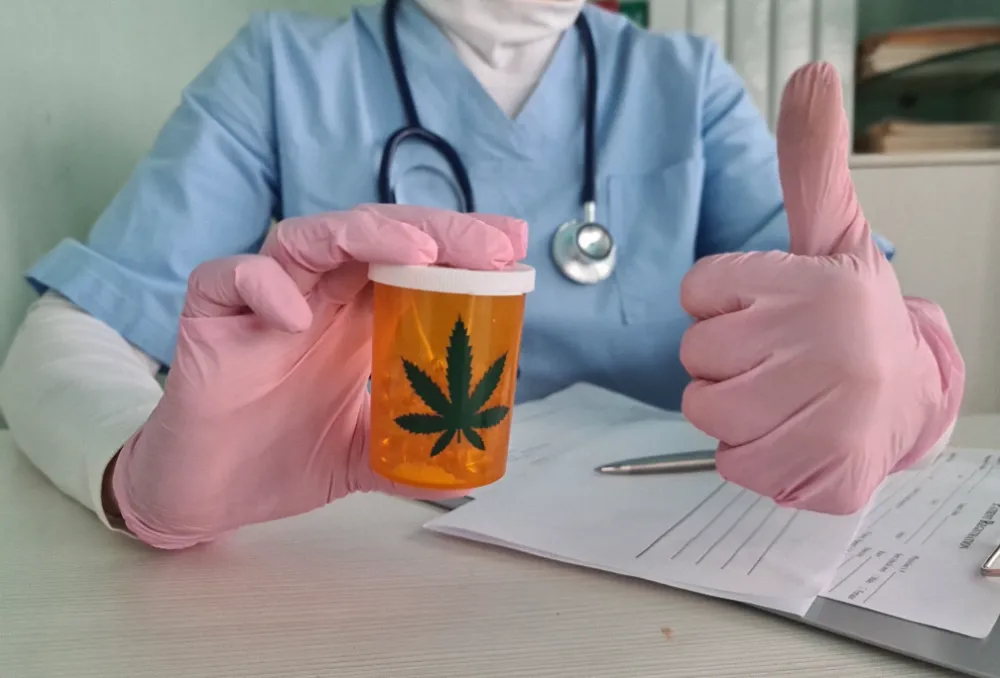
Cannabis safety depends on your diagnosis, current symptoms, medications, and the product you plan to use. For people with brain tumors, side effects such as dizziness, confusion, and drowsiness may be especially concerning.
- Condition
- Symptoms
- Medications
- Type of cannabis product you use
For example, if you take anti-seizure medications, cannabis may increase drowsiness. Similarly, some cannabis products may interact with chemotherapy drugs and affect your treatment.
Also, you should never ignore symptoms such as confusion, severe headaches, repeated vomiting, or increasing weakness. These symptoms may indicate a serious problem rather than a cannabis side effect.
Seek urgent medical attention if you experience new seizures, sudden neurological changes, or severe symptoms.
Before using cannabis, make sure that you talk to your oncology expert. They can review your medications, explain the possible risks, and help you decide whether cannabis-based treatment is suitable for you.
What Should Patients Know Before Considering Medical Cannabis?
The best approach in this regard is to discuss your symptoms and current treatment plan with your oncology team.
Here are a few practical steps that you can take to better converse with your doctor when discussing the use of medical cannabis:
- Identify your main symptom: Explain what problems affect you most, such as nausea, pain, appetite loss, or sleep.
- Review your medications: Discuss your prescriptions, supplements, and over-the-counter products.
- Discuss product safety: Talk about cannabinoid concentrations, possible interactions, and side effects.
If you live in Virginia, a qualified medical provider can assess your eligibility for medical cannabis certification.
Note: The Virginia Cannabis Control Authority confirms that eligible practitioners include authorized physicians, physician assistants, and advanced practice registered nurses.
Summing It Up
In short, cannabis may help some people manage chemotherapy-related nausea and possibly other uncomfortable symptoms. However, there is no official statement or evidence that it is an effective brain tumor treatment.
Even if you use it to manage any of the individual symptoms, your oncology expert’s guidance remains essential. This is particularly important when your concern is related to seizures, neurological changes, or medication interactions.
Although cannabis is not an FDA-approved treatment for brain tumors, research is still ongoing. However, certain cannabis-based medications already have approval for other medical conditions, including chemotherapy-related nausea and specific seizure disorders.
If you are considering medical cannabis for symptom relief, discuss it with your oncology team first. For Virginia residents, a qualified practitioner can then evaluate whether medical cannabis is appropriate and issue a written certification if eligibility requirements are met.
If you are a Virginia resident and considering medical cannabis, MedCert offers online certification evaluations through licensed medical providers for $79. Approval depends on the provider’s clinical assessment. Get in touch to learn about Virginia medical cannabis certification and your eligibility.