According to the CDC, more than 3 million Americans have glaucoma, and that number could reach 6.3 million by 2050. Glaucoma causes irreversible vision loss and often develops without symptoms, which is why ophthalmologists usually call it a silent sight killer.
Currently, glaucoma is being treated with conventional treatments that focus on lowering eye pressure. However, researchers have also studied cannabinoids for their potential role in managing the condition. There is some evidence that certain cannabinoids may reduce intraocular pressure (IOP), but questions about their safety, effectiveness, and long-term use still remain.
Let’s find out what the current research says about cannabinoids and glaucoma treatment.
What Is Glaucoma?
Glaucoma refers to a group of eye diseases that damage the optic nerve, which carries visual information from your eyes to your brain. If the condition is not identified and treated in the early stage, it continues to worsen and can eventually lead to permanent vision loss. High eye pressure is a major risk factor for glaucoma, although the condition can also develop at normal pressure levels.
However, the National Eye Institute says that glaucoma can still develop even when eye pressure is within the normal range. This is because normal eye pressure varies from person to person. According to the American Academy of Ophthalmology, normal IOP (intraocular pressure) can range from 10 to 20 mmHg.
How Glaucoma Damages the Optic Nerve
Your eyes continuously produce aqueous humor, a clear fluid that helps maintain eye pressure. Normally, the fluid drains through tiny channels to maintain healthy pressure. When drainage becomes less efficient, eye pressure may rise, increasing the risk of optic nerve damage.
Since it develops without noticeable symptoms, you may gradually lose peripheral vision while your central vision stays clear. By the time you notice the condition, your eyes may already have been damaged significantly. That’s why it becomes necessary to have regular eye examinations to detect such changes early and treat them to lower IOP.
What Are Cannabinoids?
Cannabinoids are chemical compounds that affect the body’s endocannabinoid system, which helps control pain, nerve signals, and other functions. Cannabis contains several cannabinoids, but researchers mainly study two for glaucoma treatment.
- Tetrahydrocannabinol (THC): THC causes the intoxicating effects of cannabis. Research suggests that it may lower eye pressure, but only temporarily.
- Cannabidiol (CBD): Unlike THC, CBD does not cause intoxication. Studies have not proven that it lowers eye pressure. Some even suggest it may increase pressure.
Your body also produces natural cannabinoids called endocannabinoids. Researchers are now studying whether they could help treat eye diseases.
What Does Scientific Research Say About Cannabis and Glaucoma Treatment?
Research shows that THC can temporarily lower eye pressure in some people. But at the same time, the studies also found that those effects are temporary. Researchers have not found enough evidence that cannabis can slow glaucoma or prevent long-term vision loss.
To understand these limitations, it helps to look at the early studies and what researchers have learned since then.
Early Clinical Studies on Marijuana and Eye Pressure
It has been more than 50 years since researchers started studying marijuana for glaucoma treatment. They started it in the 1970s, according to the American Academy of Ophthalmology, and the early studies found that smoking marijuana could lower eye pressure in some people. In fact, they also tested THC taken orally to see whether it had similar effects.
The reason why ophthalmologists took interest in marijuana is that lowering eye pressure is one of the main ways to manage glaucoma. However, they found that the pressure-lowering effect lasted only a few hours, which showed the potential of cannabis, but it could not prove that it prevented optic nerve damage. Researchers have continued investigating whether cannabinoids could offer benefits beyond temporary eye-pressure reduction.
Recent Research on Cannabinoids and Optic Nerve Protection
Beyond eye-pressure reduction, researchers are studying whether certain cannabinoids could help protect retinal nerve cells from glaucoma-related damage. Scientists usually call this potential effect neuroprotection.
To study that effect, researchers studied how cannabinoid receptors, especially CB2 receptors, might help protect nerve cells in the retina. The good thing is that some laboratory studies showed promising results.
However, they have not yet confirmed that these effects provide the same protection in people with glaucoma. That means more human studies are needed before reaching a particular conclusion.
Limitations of Current Evidence and Long-Term Research Gaps
Laboratory research no doubt offers some hope; it does not prove that cannabis is safe or effective for long-term glaucoma treatment. Even the 2024 review by researchers also pointed out the same concern. There are some important questions to answer before clinically approving cannabis as a reliable option. These mainly include:
- Can cannabinoids keep eye pressure under control throughout the day?
- Which forms of cannabinoids can deliver the right dose to the eye?
- Can cannabinoids actually slow optic nerve damage in people with glaucoma?
- What side effects could appear after months or years of regular use?
Larger clinical trials are needed to determine whether cannabinoid-based treatments offer meaningful benefits and acceptable risks for people with glaucoma.
Why Is Marijuana Not Recommended for Long-Term Glaucoma Management?
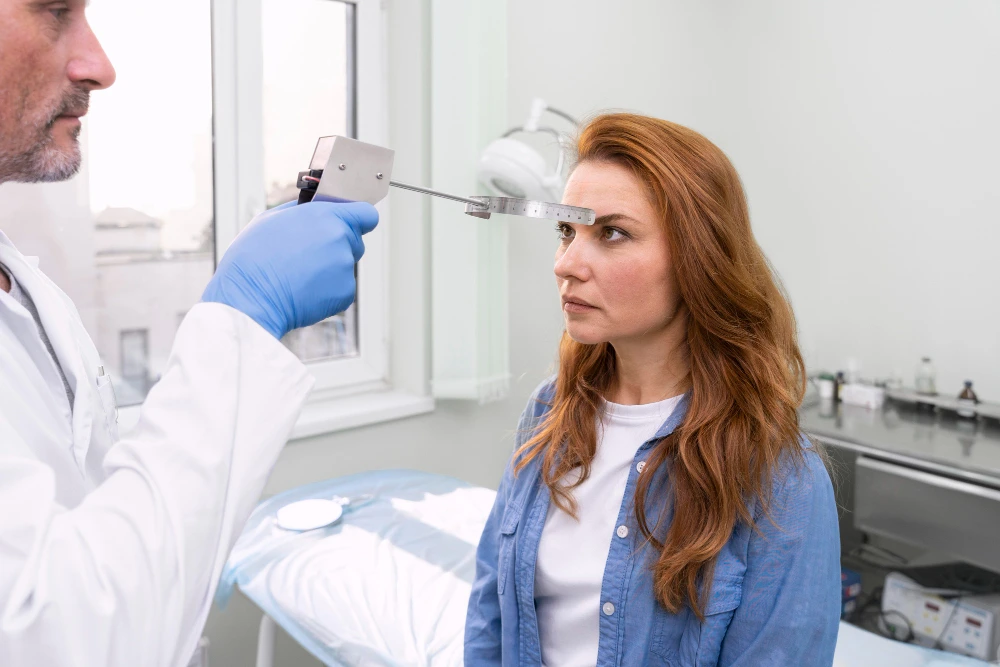
Glaucoma requires steady eye pressure control throughout the day and night. Marijuana may lower eye pressure for a short time, but its effects do not last long enough to manage the condition reliably. Frequent use also comes with several health risks.
For these reasons, eye specialists recommend proven glaucoma treatments instead of marijuana. Let’s look at these reasons in detail.
Short Duration of Eye Pressure Reduction
THC usually lowers eye pressure for only three to four hours. After that, the pressure may rise again.
According to a 2025 article from the University of Utah Health, a person may need to use cannabis six to eight times a day to maintain its pressure-lowering effect.
Even with frequent use, eye pressure may not remain stable. This is a serious concern because glaucoma can continue damaging the optic nerve when pressure is not properly controlled.
Risks of Frequent Dosing and Long-Term Use
Using marijuana several times a day may affect memory, concentration, and coordination. These effects can make everyday activities, such as driving, working, or caring for family members, more difficult.
Another concern is that cannabis products do not all contain the same amount of THC. Their strength and composition may vary, making it difficult to predict how much they will lower eye pressure.
As a result, frequent marijuana use is neither a practical nor a reliable way to manage glaucoma over time.
Cardiovascular, Neurological, and Ocular Side Effects
Apart from its short-lasting effects, marijuana may also cause problems in other parts of the body. Some of these effects are particularly concerning for people with glaucoma.
Potential side effects include:
- Lower blood pressure: May reduce blood flow to the optic nerve.
- Increased heart rate: May cause additional problems for people with heart conditions.
- Poor coordination: May increase the risk of falls and accidents.
- Eye irritation: Some experimental THC eye drops have caused irritation without consistently lowering eye pressure.
These risks may be greater for people who already have other health conditions or take regular medications.
Lack of Evidence for Preventing Vision Loss
Lowering eye pressure is an important part of glaucoma treatment, but the main goal is to prevent further damage to the optic nerve and protect vision.
So far, clinical studies have not shown that marijuana prevents glaucoma-related vision loss or provides reliable long-term control of the condition.
For this reason, the American Glaucoma Society does not recommend marijuana in any form as a treatment for glaucoma.
What Is the Future of Cannabinoids in Glaucoma Research?
Researchers are still studying how cannabinoids affect eye health and whether they could help treat glaucoma. One of the main areas of research focuses on compounds that may lower eye pressure without causing the mind-altering effects associated with THC.
Scientists are also finding out new ways to deliver cannabinoids directly to the eye. Their goal is to keep the treatment effective for longer periods. Another priority is to protect retinal ganglion cells, which glaucoma can damage over time.
Although these studies show some promise, researchers still need human clinical trials to confirm the benefits, find safe doses, and understand long-term risks.
For now, cannabinoid-based treatments remain experimental and are not proven alternatives to established glaucoma care.
The Final Words
In short, cannabinoids have shown some ability to reduce eye pressure. However, researchers have not established that cannabinoids can safely control glaucoma over time or prevent further vision loss. People with glaucoma should follow their ophthalmologist’s treatment plan, which may include prescription eye drops or laser treatment. Some patients may also need surgery. Regular examinations are also an important part of glaucoma management.
While cannabis is not a suitable option for glaucoma, it may be helpful in other qualifying conditions. If you live in Virginia and want to discuss medical cannabis access for a qualifying health condition, MedCert’s online certification service offers secure evaluations with licensed medical providers for $79. Certification depends on an individual assessment and does not replace specialist glaucoma care.
FAQs About Cannabinoids and Glaucoma
Can Marijuana Prevent Vision Loss From Glaucoma?
Studies show that THC can temporarily lower eye pressure, but they have not demonstrated that it prevents glaucoma-related vision loss.
Is THC or CBD Better for Lowering Eye Pressure?
Studies have shown that THC can temporarily lower eye pressure, while CBD has not demonstrated a reliable pressure-lowering effect.
Can Cannabis Eye Drops Treat Glaucoma?
No cannabinoid eye drops have established sufficient safety and effectiveness for routine glaucoma treatment. Researchers are still investigating suitable formulations.
Is Medical Marijuana Approved by the FDA for Glaucoma?
The FDA has not approved marijuana or cannabinoid-based medications specifically for glaucoma. So, patients should be cautious of any medications claiming to treat glaucoma using cannabis.