According to policy tracking by the National Conference of State Legislatures (NCSL), 41 states, three U.S. territories, and Washington, D.C., now allow the medical use of cannabis products.
Alongside this wider legal access, researchers continue to study how cannabis and specific cannabinoids may help manage symptoms associated with certain medical conditions.
Yet as medical cannabis becomes more widely discussed in patient care, how much could its role in healthcare change? Will custom plant blends, genetic tests for dosing, and quick virtual check-ins permanently change how you manage your health?
These developments raise important questions about what medical cannabis could look like in the years ahead. Below, we explore the research and emerging trends that may shape its future role in everyday health care.
Quick Overview: How Medical Marijuana Could Transform Healthcare
Medical marijuana could shift healthcare away from rigid, one-size-fits-all prescriptions and towards personalized, plant-based care. As clinical trials expand and laws adapt, cannabis may become a normal part of routine care. Standardized dosing, improved lab testing, and secure healthcare visits could give clinicians practical tools to handle chronic conditions while giving patients safer choices.
What Role Does Medical Marijuana Play in Healthcare Today?
Some patients explore medical cannabis when other approaches have not provided enough symptom relief or have caused unwanted side effects. Its role depends on the patient’s condition, medical history, and applicable state rules. Medical providers may recommend cannabis for severe conditions, like:
- Chronic nerve pain
- Muscle spasms
- Post-Traumatic Stress Disorder (PTSD)
- Severe nausea from chemotherapy.
At the national level, the U.S. Food and Drug Administration (FDA) has already approved a few plant-derived medications. Epidiolex, for example, may treat seizures associated with certain severe forms of epilepsy, while synthetic THC drugs like Marinol can treat extreme chemotherapy-related nausea.
In addition to those specific drugs, state programs allow certified health providers to examine patients and recommend botanical products such as tinctures, creams, and capsules, subject to state regulations and individual patient needs.
To see if your condition is covered locally, you can review the full list of NY qualifying medical conditions for medical marijuana.
What Does the Future of Cannabis and Medicine Look Like?
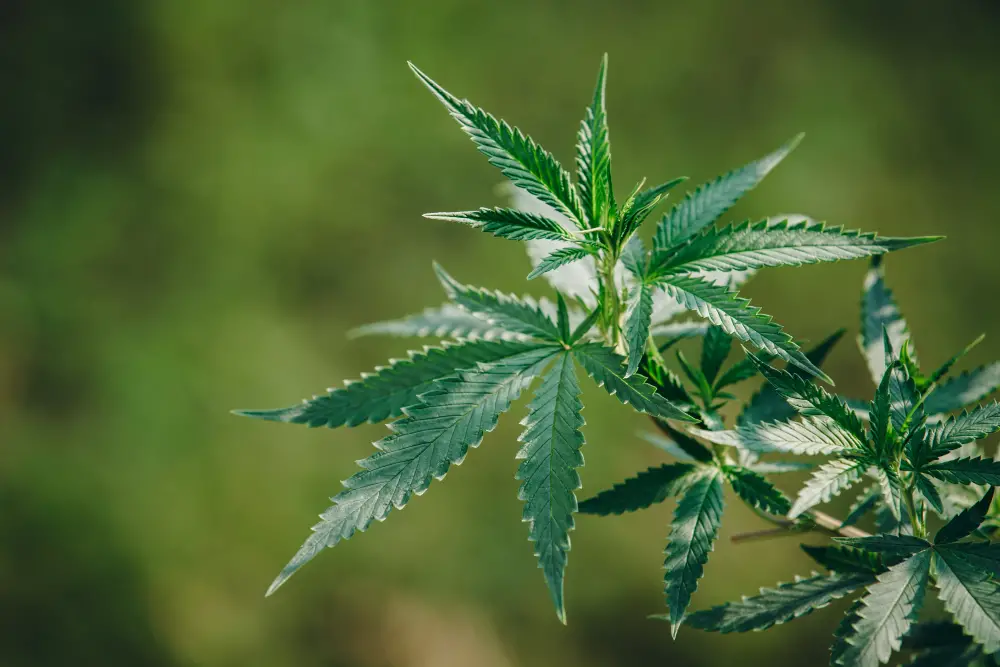
The future of cannabis in medicine may depend on studying cannabis compounds with the same scientific rigor used to evaluate other medicines. Instead of relying on raw flower, future care may focus on exact chemical testing, consistent dosing, and targeted mixes of cannabinoids such as THC, CBD, and other compounds that researchers are still studying.
As scientists learn more, the distinction between conventional pharmacy medicine and plant medicine may continue to blur. Medical providers may likely take a much more hands-on role in guiding patients through cannabis options and building them into overall treatment plans.
6 Ways Medical Marijuana Could Shape Future Healthcare
While every state handles regulations a bit differently, the bigger picture is clear, especially when you see how many states are legalizing marijuana for patient care. Here are the six major areas where medical marijuana may change daily healthcare:
Area | What Could Change |
Patient Care | Custom treatment plans designed for individual body chemistry |
Access | Quick, remote check-ins using secure telehealth appointments |
Products | Better consistency, strict lab testing, and equal quality across batches |
Dosing | Clear, science-backed dose guides that replace guesswork |
Providers | Actual cannabis science taught in medical schools |
Medicines | Brand-new, single-compound pharmaceuticals built from plant molecules |
1. More Personalized Patient Care
Medical marijuana is stepping away from one-size-fits-all prescriptions and moving towards precision care. Since every person’s endocannabinoid system may work differently, two people with the same condition can react totally differently to the exact same dose.
In the future, healthcare providers may assess a patient’s metabolic traits or genetic markers to determine their ideal cannabinoid ratio.
Research is already exploring this possibility. Studies on cannabis genetics show that DNA testing could soon help doctors predict how fast your liver breaks down active compounds, helping avoid side effects while delivering maximum relief.
2. More Options for Symptom Management
Heavy opioids, sedatives, and anti-anxiety meds were long treated as the default fixes for chronic pain and sleep issues, even with the real risks of dependency and some side effects attached to them.
But now medical cannabis may give some patients a much more flexible alternative: one that can work right alongside traditional care or help people safely ease off heavy prescription drugs altogether.
Studies looking into the “opioid-sparing effect” suggest that plant medicine might help patients rely less on heavy opioids for pain control. Moving forward, though, medical providers still need clearer research to know exactly when, how, and for which patients this strategy works best.
3. Better Understanding of THC and CBD
While THC (tetrahydrocannabinol) and CBD (cannabidiol) get the most attention, they are just two of more than a hundred active compounds in the cannabis plant.
Though early medical treatments focused heavily on maximizing potency, future medicine may look much more closely at minor compounds.
That shift is driven by research into the “entourage effect”: the idea that plant compounds work best as a team.
Researchers are studying minor cannabinoids such as CBG and CBN for their potential therapeutic properties. Current evidence does not yet support firm conclusions about their effectiveness for specific symptoms.
4. More Consistent Products and Dosing
The biggest flaw with natural plant medicine has always been batch-to-batch variation. To earn trust in modern medicine, products need absolute consistency so patients may get the exact same amount of active ingredients every time.
Modern lab extraction techniques are now making reliable products of medical marijuana like metered throat sprays, marijuana tinctures, water-soluble drops, and consistent capsules. These improvements can help doctors write dosing schedules with predictable windows of relief.
5. Greater Medical Provider Involvement
For decades, standard medical school classes never even mentioned the human endocannabinoid system. As clinical acceptance grows, teaching hospitals and medical universities are finally building cannabis science into basic training for medical providers, nurses, and pharmacists.
This specialized training means medical providers can talk about cannabis openly without any hesitation. Instead of patients figuring things out on their own through trial and error, future clinics may have trained professionals coordinating care alongside primary doctors.
6. Development of New Cannabis-Based Medicines
As federal restrictions on medical marijuana ease, research labs can finally run proper clinical trials on human volunteers and transform the raw cannabis plant into targeted, FDA-approved prescription drugs.
Future research may lead to cannabis-derived medicines designed for specific conditions or therapeutic targets. Researchers still need clinical trials to establish their effectiveness, dosing, and potential side effects.
Challenges Facing the Future of Medical Marijuana

Even with fast progress, some real-world hurdles may keep medical marijuana from becoming a standard treatment in everyday hospital care.
Product Variability
Since cannabis is an agricultural crop grown in different soils and climates, store-bought products can still show small variations in chemical profiles. Standardizing production like pharmacy pills remains an ongoing project.
Unpredictable Patient Results
Cannabis clinical studies are still trying to figure out why the exact same dose gives one person life-changing relief while another feels almost nothing at all. Solving this mystery is key to helping clinicians prescribe cannabis with confidence.
Safety and Long-Term Data
Cannabis can cause adverse effects, and important questions remain about frequent or long-term use. Researchers continue to study risks related to factors such as inhaled cannabis use and brain development in younger people.
Conclusion
When you look at where medical marijuana is heading, the key is making natural relief safe and accessible for everyone. As cannabis research develops and telehealth expands access to medical providers, patients may find it easier to discuss medical cannabis and make informed decisions about their care.
At MedCert, we make the certification process simple. You can meet with a licensed medical provider online and complete your evaluation from home. When you’re ready, you can book your $79 online evaluation from the comfort of home.