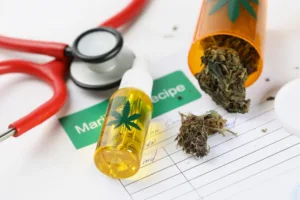
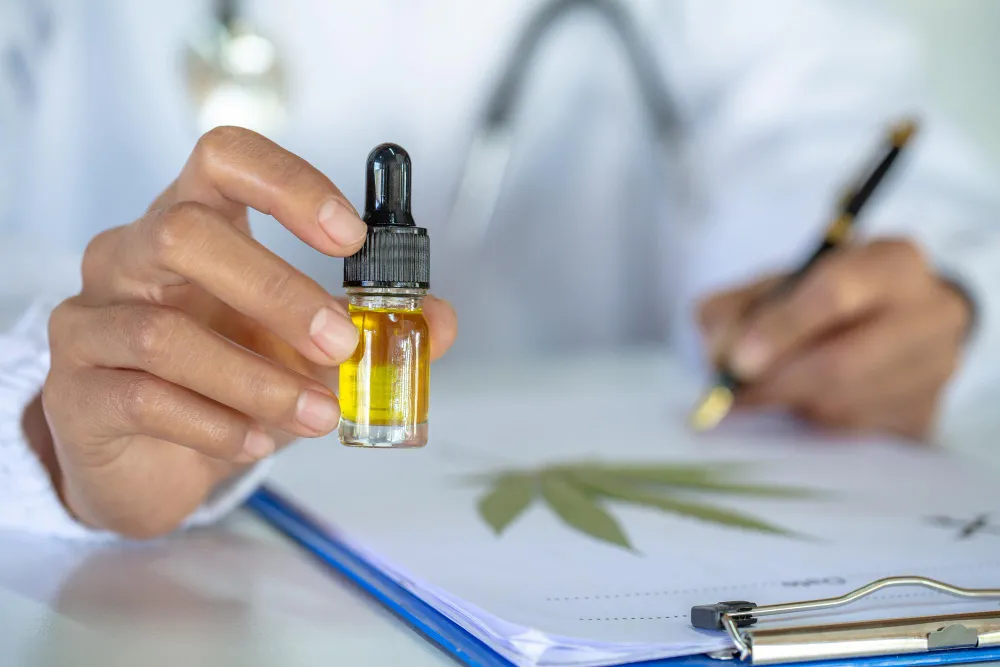
Marijuana tinctures were one of the most common cannabis medicines in the United States until they were banned in 1937. Now, thanks to evolving laws and research, this discreet, fast-acting option is regaining popularity among patients and wellness enthusiasts.
If you live with anxiety, PTSD, chronic pain, or insomnia, a marijuana-based tincture can offer precise dosing and long-lasting relief, without the smoke or smell. In this guide, you will learn what a marijuana tincture is, how it works, its proven benefits, and even how to make one at home.
What Is a Marijuana Tincture?
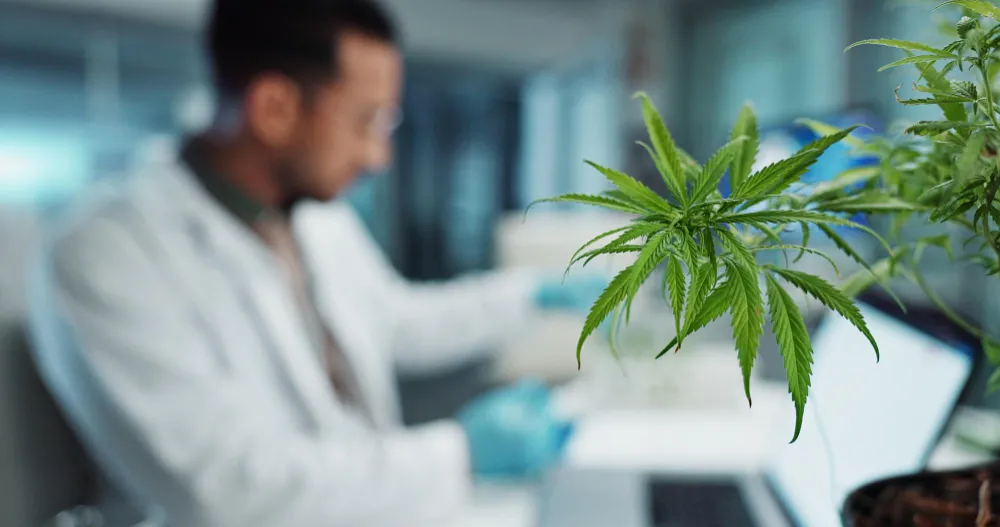
A marijuana or cannabis tincture is a liquid cannabis extract created by soaking cannabis in high-proof alcohol or another food-grade solvent. This process pulls out the plant’s active compounds, most importantly:
- Tetrahydrocannabinol (THC): Known for its psychoactive effects that can create a “high.”
- Cannabidiol (CBD): Non-intoxicating and valued for its potential therapeutic benefits.
Tinctures sit in the middle ground. They are not smoked like flowers and not eaten like traditional edibles. Instead, they provide a discreet, fast-acting alternative.
You can choose from different types based on your needs:
- THC-dominant tinctures deliver stronger psychoactive effects for recreational use.
- CBD-dominant tinctures focus on relief without intoxication.
- Balanced blends combine both compounds for a mix of effects that some users prefer.
How Long Do Tinctures Take to Work?
The time a tincture takes to work depends entirely on the method of use. Moreover, the individual metabolism, food intake, and hydration levels all play a role in how fast the dose works.
- The sublingual method (holding the liquid under the tongue) is the fastest way to feel results. The thin skin under the tongue allows cannabinoids to enter the blood directly. Most people feel the effects within 15 to 30 minutes. This speed makes it a great choice for quick relief from sudden pain or a spike in stress.
- If the tincture is swallowed right away or stirred into a drink, the body treats it like an edible. The liquid must go through the stomach and liver before reaching the brain. This process slows the onset down to 60 or 90 minutes. While it takes longer to start, the effects often stay in the system for many hours.
THC vs CBD Tinctures: What is the Difference?
Choosing between THC and CBD comes down to the desired effect. THC is the part of the plant that causes a “high.” Many people use THC-heavy tinctures to manage deep physical pain, boost appetite, or get to sleep when dealing with chronic insomnia. It locks onto receptors in the brain to change how the body perceives discomfort.
CBD does not cause a high. It works behind the scenes to lower inflammation and balance mood. It is a favorite for those who need to stay sharp at work but want to keep anxiety or joint pain in check.
A 1:1 ratio of THC and CBD is a very popular choice. This combination uses the “entourage effect.” Essentially, the two compounds work better together than they do alone. The CBD helps smooth out the experience and can even prevent the shaky or paranoid feelings some people get from THC.
Are Marijuana Tinctures Safe?
Tinctures are one of the safest ways to use cannabis because the process involves no smoke. This avoids the heat and irritants that can hurt the lungs. However, minor side effects can still occur. The most common ones include:
- A very dry mouth.
- Feeling a bit lightheaded.
- A brief drop in blood pressure.
Since tinctures are very strong, it is easy to take too much by accident. This can make the heart race or cause extreme sleepiness. A medical marijuana card ensures access to lab-tested products. This confirms the oil does not contain hidden pesticides or heavy metals. Also, check the base of the tincture. Most use MCT oil, but alcohol-based ones can sting the mouth.
Who Should Avoid Tinctures?
Tinctures are versatile, but they are not for everyone. People with a history of heart issues should be careful with THC. It can cause the heart rate to jump quite high. Anyone who is pregnant or breastfeeding should skip cannabis extracts entirely to keep the baby safe.
If liver problems exist, talk to a doctor first. The liver does the heavy lifting when cannabinoids are swallowed. There is also a risk of drug interactions. Cannabis can slow down the way the body processes certain medications, like blood thinners or seizure meds. Those on daily prescriptions need a professional medical opinion before adding tinctures to a routine.
How to Use Cannabis Tincture: Step-by-Step
Here is a cannabis tincture dosage guide. Follow these steps to get the most value out of every bottle:
- Shake the bottle: Cannabinoids can settle at the bottom. Give it a good shake to mix everything up.
- Measure the dose: Use the marked dropper to pull the exact amount needed.
- Place it under the tongue: Lift the tongue and squeeze the dropper.
- Wait and hold: This is the most important part. Hold the liquid there for 60 to 90 seconds. Do not swallow yet.
- Swallow the rest: After a minute or so, swallow the remaining oil. This creates a “second wave” of relief as the liver processes the rest of the dose later on.
How Marijuana Tinctures Work in the Body
Placing tincture under your tongue allows cannabinoids to absorb directly into your bloodstream through the mouth tissues. This bypasses digestion, so you feel the effects in 15 to 30 minutes.
Swallowing tincture works like an edible. The liquid passes through your digestive system and liver before reaching your bloodstream. This process takes 1 to 2 hours but effects may last 4 to 6 hours or longer.
Tinctures offer steadier and longer-lasting relief compared to inhaled methods. This makes them useful for people who need consistent symptom management throughout the day.
What Are Marijuana Tincture Benefits?
When you look closely at the benefits, it’s easy to see why tinctures are becoming so popular.
Precise Dosing
With a dropper, you can measure your intake down to the exact milligram. This precision makes it easier to track your results, adjust slowly, and avoid taking too much at once.
Discreet to Use
Tinctures produce no smoke and very little odor. You can slip a small bottle into your bag or pocket and use it without anyone noticing. They are the perfect choice when you are out in public or at work.
Long Shelf Life
When stored in a cool, dark spot, tinctures can stay potent for years. This makes them a cost-effective option since you can keep them on hand without worrying about their expiry quickly.
Flexible in How You Take It
You are not restricted to using tinctures in one method. You can place drops under your tongue for fast effects, add them to coffee or smoothies, or mix them into sauces and baked goods for a slower, longer-lasting experience.
Fast-Acting Relief
Sublingual use (under the tongue) allows cannabinoids to be absorbed into your bloodstream quickly. It provides relief often within 15–30 minutes. Its fast action makes it a go-to choice for those who want quicker results than edibles can provide.
Light on Calories
If you are avoiding sugary edibles or heavy snacks, tinctures are an excellent alternative. They deliver the benefits of cannabis without adding extra calories to your diet.
Common Uses of Marijuana Tinctures
Marijuana tinctures are a versatile option that can be tailored to fit different needs and lifestyles. Here are some ways you might incorporate them into your routine:
- Daily symptom control – You can use a small, measured dose each day to help keep chronic pain, anxiety, or inflammation in check.
- Better sleep – If you have trouble relaxing at night, a dose before bed may help you unwind and sleep more soundly.
- Stress relief – A few drops may help promote calm and focus before you perform a demanding task or high-pressure event.
- Part of a medical plan – Tinctures can be integrated into a broader treatment strategy under professional guidance.
- Recreational microdosing – You may take a small amount to enjoy subtle relaxation without experiencing intense intoxication.
Suggested Marijuana Tincture Dosages
Finding the right amount is key to getting the effects you want without overdoing it. Use this guide better to understand common marijuana tincture dosages and their typical effects.
Tincture Amount (ml) | Approximate THC Content (mg) | Typical Experience |
0.10 ml | ~3 mg THC | Ultra-low — ideal for microdosing or first-time testing. |
0.25 ml | ~7–8 mg THC | Gentle — suitable starting point for beginners. Subtle relaxation may be noticed. |
0.50 ml | ~15 mg THC | Moderate — produces light, noticeable effects for most people. |
1.0 ml | ~30 mg THC | Strong — recommended for those with higher tolerance or regular use. |
2.0 ml | ~60 mg THC | Very strong — potent effects, best for experienced consumers only. |
How to Make a Marijuana Tincture at Home
Making your own tincture marijuana is simpler than it sounds. Here’s a step-by-step recipe to guide you through the process:
Ingredients & Equipment:
- 1 cup high-proof, food-grade alcohol (like Everclear)
- 7–14 grams decarboxylated cannabis
- A mason jar
- Cheesecloth or a fine mesh strainer
- Dark glass dropper bottles
Procedure:
- Preheat the oven to 240°F (115°C). Spread cannabis evenly on a tray and bake 30–40 minutes to activate cannabinoids.
- Place cannabis in a jar and pour alcohol until submerged.
- Seal the jar and shake for 1–2 minutes. Store in a cool and dark place for 2–3 weeks. Make sure you shake it daily. (Quick method: infuse for 30 minutes over a double boiler on low heat.)
- Strain and remove plant material with cheesecloth or a strainer.
- Pour tincture into dark glass bottles. Keep in a cool and dark place.
- Longer infusion equals stronger tincture. Label each bottle with date and potency.
Let MedCert Help You Access Cannabis Safely and Legally
At MedCert, you can complete your medical marijuana certification entirely online. Our licensed providers guide you through the process. We ensure your approval is fast, affordable, and HIPAA-compliant. Once certified, you can legally access high-quality marijuana tinctures from licensed dispensaries.
Start today and take the first step toward safe, effective, and legal cannabis relief.
Final Words
So, Marijuana tinctures offer a precise, discreet, and versatile way to use cannabis, especially for conditions like chronic pain, anxiety, PTSD, and insomnia.
By learning how to dose correctly and choosing quality products, you can make tinctures a safe part of your wellness plan.
Always consult your provider before starting, and enjoy the benefits of informed, legal cannabis use.
Frequently Used Questions
Are tinctures stronger than edibles?
Tinctures are not necessarily stronger, but the body uses them more efficiently. When used under the tongue, more of the medicine reaches the blood compared to a gummy that gets partially destroyed by stomach acid. However, edibles can feel more “intense” because the liver turns THC into a more potent form.
How many drops should I take?
The best rule is to start low and go slow. If a bottle has 1,000mg of THC in 30ml, one full dropper is about 33mg. That is a large dose for a beginner. Try a tiny amount, about 2.5mg to 5mg, which is usually just a few drops. Wait at least two hours before taking more to avoid accidentally doubling up.
Can you overdose on tinctures?
A cannabis overdose is not fatal, but it can be very uncomfortable. Taking too much can cause vomiting, a racing heart, and intense panic. If this happens, stay calm and drink water. The feeling will pass. Sometimes taking a dose of pure CBD can help “cancel out” the intensity of too much THC.
Do tinctures show up on drug tests?
Yes. It does not matter if the oil is swallowed or held under the tongue; THC will show up in the system. Most drug tests look for the metabolites that stay in the body’s fat cells. Even “THC-free” tinctures can sometimes cause a positive result if they are full-spectrum, because those tiny amounts of THC can build up over time.