Medical cannabis patients consistently report effective pain symptom management. Research from the Journal of Cannabis Research found that chronic pain patients experience meaningful relief through cannabis treatment
This research evidence is reflected in how New York has shaped its medical cannabis program. While recreational cannabis is now available, the medical program still offers important advantages, including lower costs and added patient protections for long-term care.
Getting a medical card once felt confusing and time-consuming. Thankfully, that has changed. New York state medical providers now have much more freedom to decide who qualifies. It makes the system more focused on your actual needs and less on rigid government lists.
In this guide, we are going to walk through the current qualifying conditions for medical card in NY. We will also explain who can certify you and how to get your cannabis card online.
Can You Get Approved for Medical Marijuana Without Medical Records in New York?
You can get approved for medical marijuana in NY without a thick file of medical records. Documentation such as a doctor’s note, an old prescription bottle, or an MRI report does help speed things up. However, the evaluation itself works as a professional medical consultation between you and the provider.
Many patients have not visited a doctor in years or simply cannot locate their old files. In these situations, the provider focuses on your current symptoms and medical history during the video call. The decision relies on clinical judgement. When you can clearly explain your symptoms, how long you have dealt with them, and what you have already tried for relief, a provider can often certify you based on that conversation alone.
Condition | Commonly Approved? | May Need Documentation? |
Chronic Pain | Yes | Sometimes |
Anxiety | Often | Sometimes |
PTSD | Yes | Recommended |
Cancer | Yes | Usually |
Insomnia | Possible | Depends on Symptoms |
Who Can Certify You for Medical Marijuana in New York?
You cannot simply walk into any doctor’s office and get a card. The professional you see must be officially registered with the New York State Department of Health’s medical cannabis program.
The good news is that New York opens the door to several types of providers:
- Physicians (MDs and DOs): Either general practitioners or specialists can certify you.
- Nurse Practitioners (NPs): Many patients find NPs easier to reach for telemedicine appointments.
- Physician Assistants (PAs): Licensed PAs are also allowed to evaluate and certify patients.
Each of these providers has real discretion in the process. They do not follow a rigid government checklist. Instead, they rely on their own clinical experience to decide whether you are a good fit for the program.
Current Qualifying Conditions For Medical Card in NY
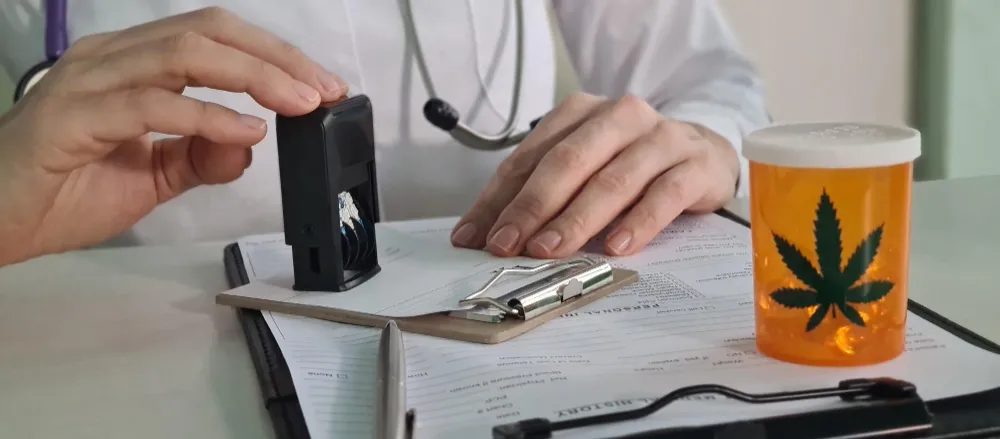
New York no longer relies on a single, fixed list of qualifying conditions. Since the laws expanded, the state essentially trusts your medical provider to decide if cannabis is the right move for you. If a professional believes it will improve your health, you are eligible.
Even so, most certifications in the state still fall under these 13 recognized categories:
- Chronic or debilitating pain
- Post-Traumatic Stress Disorder (PTSD)
- Cancer
- Epilepsy or other seizure disorders
- Multiple Sclerosis (MS)
- Parkinson’s Disease
- HIV / AIDS
- Amyotrophic Lateral Sclerosis (ALS)
- Inflammatory Bowel Disease (IBD/Crohn’s)
- Huntington’s Disease
- Neuropathy (nerve damage)
- Spinal cord injuries
- Opioid use disorder
Common Physical Health Conditions That May Qualify

Most people applying for a New York state medical marijuana card are seeking relief from ongoing physical symptoms. Medical providers focus on how a condition affects daily function and overall quality of life. When standard treatments fail to provide enough relief, cannabis may be considered as part of a care plan.
Below is how providers commonly assess the most frequent physical health conditions that qualify.
1. Chronic Pain and Long-Term Injuries
Chronic pain is one of the most common reasons patients qualify for a medical marijuana card in New York, especially when long-term discomfort limits daily activity and conventional treatments no longer provide relief. Here are the most common chronic pain conditions providers consider.
- Persistent Agony: If your pain has stuck around for over 90 days despite trying other fixes, you likely qualify.
- Nerve Issues: Ongoing burning, tingling, numbness, or shooting sensations, especially when they disrupt sleep or daily activity, are common indicators of neuropathic pain.
- Post-Surgery Fatigue: Sometimes surgeries leave behind a stiffness or soreness that standard pills just can’t touch.
2. Cancer and Treatment-Related Symptoms
Living with cancer is hard enough without the side effects of the medicine meant to save you. Medical providers may recommend cannabis to help relieve these treatment-related side effects and support overall quality of life during recovery.
- Appetite Loss and Nausea: If chemotherapy makes eating difficult, cannabis is often used to stimulate appetite and reduce nausea, which can support nutrition and strength.
- Sleep Disruption: When your body is fighting a disease, sleep is medicine. Cannabis helps you actually get quality sleep. So, when pain, anxiety, or treatment side effects interfere with rest, a provider may suggest cannabis to improve sleep.
3. Neurological and Movement Disorders
When the nervous system is not functioning properly, everyday movement and control can become difficult. Medical providers may consider cannabis when these neurological symptoms persist despite standard treatment.
- Muscle Spasms: For those with muscle spasms, cannabis can relax the stiff muscles that cause constant cramping.
- Movement Control: Parkinson’s patients often find it helps steady their hands for basic tasks like drinking water.
- Seizure Frequency: Cannabis use is a proven method for reducing the intensity and number of seizures for those with epilepsy.
4. Inflammatory and Autoimmune Conditions
Inflammatory and autoimmune conditions keep the immune system constantly on alert, which leads to ongoing pain and stiffness. Medical providers may consider cannabis when inflammation interferes with movement and daily comfort.
- Joint Mobility: Rheumatoid arthritis can make moving your fingers or knees feel like grinding gears. Cannabis helps lubricate that process and makes you feel relaxed.
- Inflammatory Bowel Disease (IBD): Conditions like Crohn’s disease and ulcerative colitis often involve chronic inflammation and abdominal pain, which cannabis may help manage.
- Lupus and Related Autoimmune Disorders: Systemic inflammation can cause widespread pain and fatigue, and cannabis may be considered to help ease these symptoms.
- Psoriasis and Psoriatic Arthritis: Beyond just skin irritation, psoriasis often triggers intense joint swelling and stiffness. Cannabis is frequently used to help slow the rapid production of skin cells while calming the underlying immune response that causes painful flare-ups.
Who Can Prescribe Medical Marijuana In Ny?
You do not need a specialist to receive a medical marijuana certification. Any medical provider registered with New York’s medical cannabis program can evaluate you and issue a certification if appropriate.
- Physicians
- Physician assistants
- Nurse practitioners
How To Get A Medical Marijuana Card in NY
The process for obtaining a medical marijuana card in New York is now straightforward and can be completed online. Platforms like MedCert allow you to connect with licensed providers without in-person visits or unnecessary paperwork. You just need to follow these simple steps:
- The Visit: You book a 10-minute video call on your phone or computer.
- The Talk: Talk to a licensed medical provider about what’s bothering you. No intense interrogation, just an honest medical conversation.
- The Result: If you are approved, you get your digital certification via email the same day.
The cost is a flat $79, with a full refund if you do not qualify. Once certified, you can begin using your medical marijuana card benefits at licensed dispensaries immediately.
Conclusion
So, New York’s medical cannabis program now puts patient needs first by giving healthcare providers the authority to determine eligibility based on individual care. This shift makes it easier for patients to access treatment without having to navigate restrictive rules.
A medical certification can also offer practical benefits, including lower costs, access to regulated products, and professional guidance on safe use. Speaking with a qualified provider is the best way to determine whether medical cannabis fits into your care plan.
If you’re ready to take that step, MedCert offers a convenient way to complete your evaluation online.