MedCertMedCert
  • Home
  • Get Certified
    • New York
    • Virginia
  • Blog
  • Locations
    • Virginia Beach Marijuana Card
    • Chesapeake Marijuana Card
    • Arlington Marijuana Card
    • Norfolk Marijuana Card
    • Richmond Marijuana Card
    • Newport News Marijuana Card
    • Alexandria Marijuana Card
    • Hampton Marijuana Card
    • Suffolk Marijuana Card
    • Roanoke Marijuana Card
    • Lynchburg Marijuana Card
    • Dale City Marijuana Card
    • Portsmouth Marijuana Card
    • Centreville Marijuana Card
    • Reston Marijuana Card
    • McLean Marijuana Card
    • Leesburg Marijuana Card
    • Tuckahoe Marijuana Card
    • Ashburn Marijuana Card
    • Burke Medical Marijuana
    • Woodbridge Medical Marijuana
    • Manassas Medical Marijuana
    • Charlottesville Medical Marijuana
    • Lake Ridge Medical Marijuana
    • Blacksburg Medical Marijuana
  • Contact Us
MedCertMedCert
MedCert
  • Home
  • Get Certified
    • New York
    • Virginia
  • Blog
  • Locations
    • Virginia Beach Marijuana Card
    • Chesapeake Marijuana Card
    • Arlington Marijuana Card
    • Norfolk Marijuana Card
    • Richmond Marijuana Card
    • Newport News Marijuana Card
    • Alexandria Marijuana Card
    • Hampton Marijuana Card
    • Suffolk Marijuana Card
    • Roanoke Marijuana Card
    • Lynchburg Marijuana Card
    • Dale City Marijuana Card
    • Portsmouth Marijuana Card
    • Centreville Marijuana Card
    • Reston Marijuana Card
    • McLean Marijuana Card
    • Leesburg Marijuana Card
    • Tuckahoe Marijuana Card
    • Ashburn Marijuana Card
    • Burke Medical Marijuana
    • Woodbridge Medical Marijuana
    • Manassas Medical Marijuana
    • Charlottesville Medical Marijuana
    • Lake Ridge Medical Marijuana
    • Blacksburg Medical Marijuana
  • Contact Us
MedCertMedCert
MedCert
  • Home
  • Get Certified
    • New York
    • Virginia
  • Blog
  • Locations
    • Virginia Beach Marijuana Card
    • Chesapeake Marijuana Card
    • Arlington Marijuana Card
    • Norfolk Marijuana Card
    • Richmond Marijuana Card
    • Newport News Marijuana Card
    • Alexandria Marijuana Card
    • Hampton Marijuana Card
    • Suffolk Marijuana Card
    • Roanoke Marijuana Card
    • Lynchburg Marijuana Card
    • Dale City Marijuana Card
    • Portsmouth Marijuana Card
    • Centreville Marijuana Card
    • Reston Marijuana Card
    • McLean Marijuana Card
    • Leesburg Marijuana Card
    • Tuckahoe Marijuana Card
    • Ashburn Marijuana Card
    • Burke Medical Marijuana
    • Woodbridge Medical Marijuana
    • Manassas Medical Marijuana
    • Charlottesville Medical Marijuana
    • Lake Ridge Medical Marijuana
    • Blacksburg Medical Marijuana
  • Contact Us
Medical Marijuana for Epilepsy

Medical Marijuana for Epilepsy: Benefits, Risks, and Who May Consider It

Medical Marijuana for Epilepsy

A 2025 study published in PubMed Central found that purified, prescription-grade CBD was associated with a 54% to 77% reduction in monthly focal seizures among patients living with treatment-resistant epilepsy. That is a remarkable drop. 

But these clinical findings relate specifically to a standardized prescription product, not every form of medical marijuana you might find on a shelf.

When exploring medical marijuana as a healthcare option, you may wonder if medical marijuana could actually help manage seizures and if you can use it safely.

This guide covers what the latest medical research actually says about marijuana and seizures​, how cannabis interacts with brain function, and the potential risks worth knowing about. We will also look at how a licensed medical provider can help you navigate these choices safely.

Quick Overview

Prescription cannabidiol has shown benefits for certain forms of epilepsy, but that evidence does not apply to medical marijuana products in general. There is a big difference between prescription-grade CBD and store-bought cannabis. Mixing the wrong product with your current medications can cause serious drug interactions. That is why working alongside a licensed medical provider is crucial to determine whether cannabinoid treatment is appropriate for your epilepsy care plan.

What Is Epilepsy?

Epilepsy is a neurological condition where abnormal electrical activity in the brain causes recurring, unprovoked seizures. No two cases of epilepsy look the same. Some people have brief staring spells with just a moment of lost awareness. Others deal with full convulsions and severe muscle spasms.

Though most people find relief with standard anti-seizure medications, roughly one-third of individuals live with “treatment-resistant” or “refractory” epilepsy. That means they’ve tried at least two well-chosen medications, and they continue to experience seizures despite treatment. 

For these patients, clinicians may consider additional treatment options when standard antiseizure medications do not provide adequate seizure control. 

What Is Medical Marijuana?
Medical Marijuana

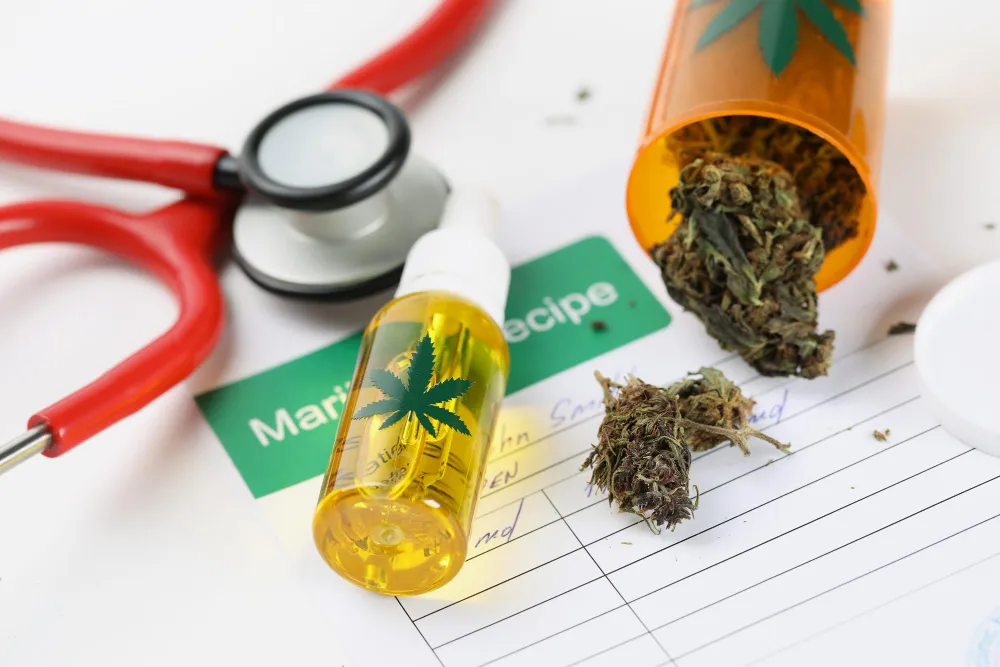
Medical marijuana refers to using the Cannabis sativa plant or specific active compounds extracted from it to help ease particular symptoms or medical conditions.

Inside the plant, you will find over 100 natural compounds known as cannabinoids. Out of all of them, two main compounds get most of the attention:

  1. Cannabidiol (CBD)

This one won’t get you high; it’s completely non-intoxicating. Researchers have been especially interested in CBD for its potential to help with seizures, particularly in certain forms of epilepsy.

  1. Tetrahydrocannabinol (THC)

This cannabinoid is the compound that causes the typical mind-altering effects. THC does not have the same established evidence for seizure treatment as prescription CBD. Its effects can vary, which is one reason epilepsy treatment should not rely on unregulated cannabis products without medical guidance. 

Potential Benefits of Medical Marijuana for Epilepsy

So, how might CBD help manage seizures? 

It works by connecting to your body’s endocannabinoid system: the internal system responsible for balancing brain activity and nerve signals. Researchers do not fully understand how CBD produces its antiseizure effects. Studies suggest that it influences several signaling pathways involved in neuronal activity. This steadying effect can bring a few practical benefits:

May Reduce Seizure Frequency in Certain Epilepsy Syndromes

Clinical trials and major health agencies, including Australia’s Therapeutic Goods Administration (TGA), suggest that standardized CBD formulations may lower seizure frequency in some patients. The strongest support applies to certain severe epilepsy syndromes, although the broader evidence remains limited.

May Help Some People With Treatment-Resistant Epilepsy

For individuals whose seizures persist despite trying multiple standard anti-seizure drugs, a clinician may consider prescription CBD as an additional treatment for eligible patients. While it does not cure epilepsy, it may help reduce seizure frequency in some eligible patients. 

May Support Quality of Life When Seizures Improve

Fewer seizures often lead to broader day-to-day improvements. When seizure frequency drops, patients and family members frequently report:

  • Improved sleep quality (you can read more details on how cannabis affects sleep here) 
  • Improved mood
  • Reduced anxiety
  • A greater sense of independence

May Provide an Additional Option Alongside Existing Treatment

Medical marijuana is rarely used as a standalone cure. Instead, clinicians evaluate it as a supportive option alongside a patient’s current prescription routine to see if combining therapies helps improve seizure control without causing unacceptable side effects.

Is Any CBD Medication FDA-Approved for Epilepsy?

The U.S. Food and Drug Administration (FDA) has approved Epidiolex, which is a standardized, highly purified oral CBD liquid.

Clinicians can prescribe it to patients 1 year of age and older who experience seizures linked to three specific conditions:

  • Dravet syndrome
  • Lennox-Gastaut syndrome (LGS)
  • Tuberous sclerosis complex (TSC)

Here is one thing worth noticing: Epidiolex is not the same as over-the-counter CBD oil, hemp drops, or typical dispensary products. Those aren’t held to the same standard. Labels can be inaccurate, and some products may have hidden contaminants like heavy metals or unexpected THC. 

Epidiolex provides a standardized concentration of CBD, and it requires careful monitoring from a medical provider.

Possible Risks and Side Effects of Medical Marijuana for Epilepsy
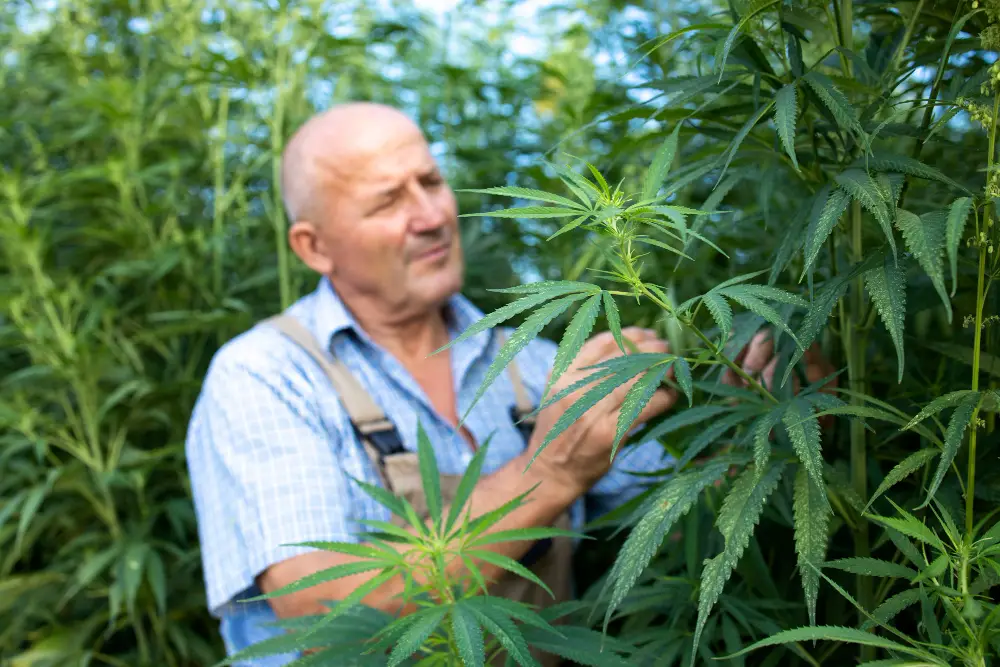
Medical Marijuana

Even though medical cannabis may bring relief, it is not risk-free. Just like any real medicine, cannabinoids can trigger some side effects, especially when introduced to a nervous system that is already prone to seizures:

Drowsiness and Fatigue

One of the most common side effects reported in clinical literature is sedating fatigue. As detailed in neurological studies on CBD side effects, some patients taking high doses may feel unusually sleepy, lethargic, or sluggish throughout the day.

For more details on how dosage impacts your energy levels, you can read our full breakdown on can cannabis make you tired in small doses. 

Digestive and Appetite Changes

Cannabinoids may impact the gastrointestinal system. Research published in ScienceDirect on medical cannabis outcomes notes that some users experience a noticeable drop in appetite or mild stomach distress like nausea and diarrhea.

Possible Worsening of Epilepsy Symptoms

Because every person’s central nervous system is wired differently, unregulated products or incorrect ratios, particularly those high in THC, may actually lower the seizure threshold in certain individuals, causing seizures to become more frequent or intense.

Can Medical Marijuana Interact With Epilepsy Medication?

Yes, and this interaction is one of the most critical safety aspects of using medical cannabis alongside standard health treatments.

CBD is processed in the liver by the same metabolic enzymes that break down many common anti-seizure drugs. When taken together, CBD may slow down how your body processes these medications.

Take a widely prescribed anti-seizure medication, clobazam (Onfi), for instance. When CBD interacts with clobazam, it can increase levels of N-desmethylclobazam, the active metabolite of clobazam. This interaction can increase the risk of side effects such as drowsiness and sedation. 

Because of these complex interactions, you should never tweak your daily seizure medications or start taking cannabis on your own. Having a licensed medical provider guide your care helps keep your treatment effective and safe. 

Who May Consider Medical Marijuana for Epilepsy?

Medical cannabis is definitely not a one-size-fits-all answer for seizures. That said, a medical provider might consider it a reasonable path for specific individuals, such as

  • People aged 1 year and older with seizures associated with Dravet syndrome, Lennox-Gastaut syndrome, or tuberous sclerosis complex may be candidates for FDA-approved Epidiolex after evaluation by a qualified clinician. 
  • Individuals with hard-to-treat epilepsy whose current prescription plan just isn’t keeping seizures under control.
  • Families with access to steady clinical oversight regularly check liver health and drug interactions.

Conclusion

Managing epilepsy often requires careful decisions about treatment, especially when seizures continue despite medication. While research shows that purified CBD and medical cannabis may help reduce seizure frequency for certain individuals, safety always comes first. 

Understanding drug interactions, avoiding unregulated products, and getting clear guidance from a clinician can help protect your health.

If you are ready to explore whether medical cannabis is a safe option for your care plan, schedule your $79 online evaluation with a MedCert licensed medical provider today.

Frequently Asked Questions

Which state allows medical use of marijuana for those with intractable epilepsy?

Most states with active medical marijuana programs include intractable or treatment-resistant epilepsy as a qualifying condition. However, specific rules, application steps, and product allowances vary by state. The easiest way to confirm your eligibility is to consult a licensed medical provider in your state.

Most states with active medical marijuana programs include intractable or treatment-resistant epilepsy as a qualifying condition. However, specific rules, application steps, and product allowances vary by state. The easiest way to confirm your eligibility is to consult a licensed medical provider in your state.

Can I use CBD with my antiseizure medication?

You should only use CBD alongside anti-seizure medications under the direct supervision of a healthcare provider. CBD can alter how your liver processes prescription drugs and may cause medication levels to spike, triggering severe drowsiness or liver stress.

What is the best medical marijuana strain for epilepsy?

Clinicians generally do not recommend specific “strains” for epilepsy because plant flowers lack standardized consistency. Instead, medical research strongly favors high-CBD, ultra-low-THC formulations or standardized prescription options that deliver a measurable dose every time.

Share Post
  • Twitter
  • Facebook
  • VK
  • Pinterest
  • Mail to friend
  • Linkedin
  • Whatsapp
  • Skype
CBG Benefits Explained: What M...
What is CBG
CBG for Pain Relief
Can CBG Help With Pain Relief?...

Related posts

THC Affect Blood Pressure
Read more

How Does THC Affect Blood Pressure and Heart Rate?

THC can affect both heart rate and blood pressure, but those changes are not the same for everyone. If you already have high or low... Continue reading
CBG for Pain Relief
Read more

Can CBG Help With Pain Relief? What Current Research Shows

CBG is gaining attention as a possible option for pain relief. But does the research show that it actually works? So far, laboratory and animal... Continue reading
What is CBG
Read more

CBG Benefits Explained: What May CBG Help With?

CBG Benefits Explained: What May CBG Help With? CBD and THC tend to get most of the attention; that’s nothing new. But lately, another cannabis... Continue reading
cannabidiolic acid
Read more

CBDA vs CBD: A Complete Guide to Their Benefits and Differences

According to survey data from Forbes Health , 60% of American adults have tried CBD for stress, pain, or sleeplessness. But fewer people are familiar with CBDA,... Continue reading
Medical Marijuana for Sciatica Pain
Read more

Medical Marijuana for Sciatica Pain: Best Options for Relief

According to the American Medical Association, about 40% of people in the U.S. deal with sciatica at some point in their lives. If you have... Continue reading

Comments are closed

Selected static block was removed or unpublished
MedCert
Legal Disclaimer

This site exists for the purpose of providing medical marijuana certifications for patients with qualifying medical diagnosis’. It does not directly dispense any products, nor does it promote or advertise any products or services in violation of any state or federal laws. All consultations are performed by licensed healthcare professionals in accordance with applicable law, including HIPAA. We do not prescribe controlled substances. All determinations are made at the discretion of the evaluating provider.

Quick Links

  • Home
  • About Us
  • Virginia
  • NewYork
  • Contact Us

Contact Info

Address

MedCert Benjamin Domingo 1550 Wilson Blvd. Ste 700 PMB484.

Phone

(315)254-6634

Fax

(424)484-2667

MedCert. All Rights Reserved.

PRIVACY, TERMS & CONDITIONS

MedCertCards provides medical certifications for individuals with qualifying conditions. All certifications are performed by licensed medical professionals authorized to certify in the applicable state. MedCertCards does not sell, distribute, prescribe or endorse any products.

By booking an appointment, you acknowledge and agree to the following:

  1. Medical certifications are issued only for qualifying medical conditions, as determined solely by the certifying provider.
  2. The $79 fee covers the evaluation and certification process required to become eligible for purchasing from licensed medical dispensaries.
  3. If you are not certified, the $79 fee will be refunded in full. Please allow 3–5 business days for processing.
  4. You confirm that all information you provide is accurate to the best of your knowledge, and you agree to supply supporting documentation if requested.
  5. You agree to consult with your primary care provider or relevant specialists to determine whether natural therapies are appropriate for your overall care plan.
  6. You consent to your appointment being conducted via a telemedicine platform, and acknowledge the associated risks, benefits, and limitations.
  7. You consent to receiving phone calls, text messages, and video visit links, understanding that standard carrier charges may apply.
  8. Once a certification is approved and issued, the $79 fee is non-refundable.

By proceeding with your booking, you confirm that you have read, understood, and agreed to these Terms & Conditions.