
According to the National Survey on Drug Use and Health, 64.2 million Americans aged 12 or older reported using marijuana in the past year.
With cannabis use so widespread, it’s natural to wonder what actually separates medical cannabis from recreational weed.
Medical and adult-use cannabis can come from the same plant, but the rules around access, taxes, purchase limits, and patient protections can differ significantly by state.
This guide explains seven common differences between medical and adult-use cannabis. It also shows why you should check your state’s rules before deciding whether medical certification makes sense for you.
Medical vs Recreational Weed: Key Differences at a Glance
The Breakdown | Medical Weed | Recreational Weed |
Why people use it | Potentially treating a health condition. | Personal adult use without medical certification. |
Do you need medical certification? | Usually. Requirements vary by state medical program. | No |
ID required | Certification, registration, or patient ID if your state requires it. | Just your driver’s license or passport. |
Age to buy | Usually 18+ (or younger if a parent handles it). | Hard limit at 21+. |
Potency (THC) | Product and THC limits vary by state medical program. | THC and serving limits vary by product type and state law. |
Stocking up | You can buy more at once to last you longer. | Smaller daily limits. |
Tax hit | Usually lower, or can be completely tax-free. | Fully taxed like anything else you buy. |
Legal rights | You get specific health protections as a patient. | Standard adult possession rights. |
What Is Medical Marijuana or Medical Cannabis?

‘Medical cannabis’ generally refers to cannabis or cannabinoid products used for medical purposes under a state medical cannabis program. People may seek medical cannabis certification for symptoms or conditions allowed under their state program, which can include
- Chronic or nerve pain
- PTSD and severe anxiety
- Insomnia and sleep struggles
- Cancer treatment side effects, like nausea and lost appetite
- Muscle spasms from conditions like MS
For a full list of state-approved health conditions, you can read our guide on qualifying conditions for a medical marijuana card.
To buy it legally, your first step is a quick talk with a licensed healthcare provider. A licensed medical provider reviews your health history and discusses whether you meet your state’s requirements. If you qualify, the provider can issue the required certification. The exact process can vary by state.
Medical cannabis programs focus on patient access, but available products and formulations vary by state. Depending on state rules and dispensary availability, medical programs may offer different cannabis formulations.
- 1:1 THC and CBD blends
- Long-lasting tinctures
- Capsules
- High-strength creams.
What Is Recreational Weed?
Adult-use cannabis refers to cannabis purchased legally by eligible adults without medical certification.
In states with licensed adult-use retail sales, adults who meet the state’s age requirement can generally purchase cannabis from licensed retailers with valid identification.
Since adult-use is all about convenience and lifestyle, dispensaries may stock a massive variety of popular formats, including:
- Pre-rolls
- Vape carts
- Gummies and edibles
- Concentrates
- Topicals
7 Key Differences Between Medical Marijuana and Recreational Marijuana
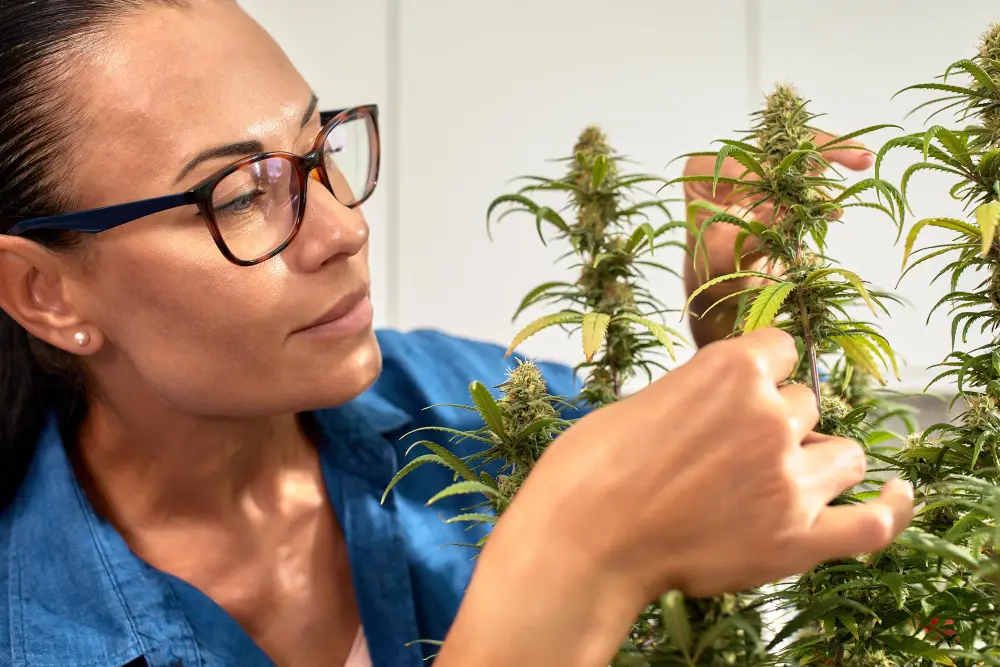
Even though both come from the same plant, how you buy, pay for, and use medical versus recreational weed is governed by completely different sets of rules.
Here are the main differences in both:
1. Purpose and Product Selection
Medical cannabis is about supporting physical and mental comfort. Patients may use it to manage certain symptoms and look for options with effects that fit more comfortably into their daily routine.
Recreational cannabis centers on experience and recreation. Whether the goal is unwinding after a long week or sharing with friends, adult-use shoppers usually seek out strong THC profiles, great-tasting vapes, and popular treats built for fun.
2. Onboarding and Certification
To get medical marijuana, you need an evaluation with a state-licensed medical professional (like an MD, DO, or nurse practitioner). They review your health background, talk through your symptoms, and issue a certification if you meet the applicable requirements.
If you live in Virginia, you can read our complete guide on how to get a Virginia medical marijuana card online.
Adult-use cannabis generally does not require medical certification. However, legal access, retail availability, and purchase rules vary by state. You just walk into a licensed dispensary, show a valid ID at the door, and purchase products permitted under state law, subject to applicable purchase limits.
Note: Exact rules and card requirements may vary state by state.
3. Age Eligibility
For recreational cannabis, the rule is strict: you must be at least 21, no exceptions.
Medical cannabis age requirements vary by state. In most states, patients under 18 can also get products if a parent or legal guardian signs up as their designated caregiver to purchase them.
4. THC Potency
Recreational weed has strict dose limits that can vary from state to state to keep things safe for casual users.
Medical programs know that patients managing severe symptoms often need stronger solutions. Some medical programs allow products or quantities that differ from adult-use rules. These limits vary by state.
5. Purchase and Possession Limits
Recreational limits are built for personal, short-term use. In most adult-use states, you can only buy up to one ounce of flower (or the equivalent in vapes or edibles) per day.
Medical cardholders can get much higher limits based on a 30- to 60-day supply plan, which can save time on trips and may allow you to take advantage of bulk pricing at the dispensary.
6. Taxes and Overall Cost
Adult-use cannabis can be subject to additional state or local cannabis taxes. Beyond regular state and local sales taxes, adult-use sales may also be subject to state cannabis excise taxes, which vary by state.
Medical marijuana is treated more like medication. Most states drop or heavily reduce excise taxes for certified cardholders. Even when you account for the upfront cost of your medical evaluation, taking off those extra taxes can save regular users a lot of money over the year.
7. Legal Protections
Recreational laws may allow you to carry small, personal amounts legally. But exceeding state limits or storing products improperly can still lead to legal trouble. For details on local legal limits, you can read our updated state guide on how many states are legalizing marijuana.
A medical cannabis card may provide certain legal protections that recreational users do not have. Depending on the state, these can include limited employment protections, home cultivation rights, or recognition of your medical status in another state with a reciprocity program.
If you plan to travel, check out our guide on using your cannabis card in another state to see how reciprocity works.
Medical vs Recreational Weed: Which Option Fits Your Needs?
Consider Medical Marijuana If You:
- Deal with recurring health issues like persistent pain, anxiety, PTSD, or trouble sleeping, as they are all good excuses to get a medical card.
- Want actual dosing guidance from a licensed healthcare provider.
- Use cannabis regularly and want to cut out heavy retail excise taxes.
- Are under 21 and want legal access to tested products.
- Need stronger dosages or higher monthly purchase limits.
Consider Recreational Weed If You:
- Use cannabis only once in a while for social events or weekend relaxation.
- Are 21 or older and want to skip doctor appointments and certification fees.
- Do not mind paying higher retail taxes for walk-in convenience.
- Only need standard, off-the-shelf product strengths.
Closing Thoughts
Choosing between medical and recreational cannabis depends on your personal routine. Recreational stores offer easy walk-in convenience for casual use, but if cannabis is a regular part of your health and wellness, getting certified can be the most cost-effective and legally protected route.
If you decide to go the medical route, getting qualified doesn’t have to be complicated. MedCert connects you with licensed doctors through simple, HIPAA-compliant telehealth evaluations, often with same-day appointments. With a flat $79 fee and a full refund if you aren’t approved, it’s completely risk-free to book a quick consultation and see if you qualify.