

Mental health conditions affect millions of adults in the United States. Many patients feel frustrated when standard treatments do not bring enough relief. Anxiety continues to rise, and depression remains one of the leading causes of disability because it disrupts daily functioning, work performance, and emotional well-being. Similarly, PTSD (Post-Traumatic Stress Disorder) also impacts daily life long after trauma ends.
As patients search for additional ways to manage persistent symptoms, many now ask a direct question: Can a psychiatrist prescribe medical weed? The question sounds simple, yet the answer involves legal limits and patient safety.
In this guide, we will present clear facts, free of confusion or hype, so you can make the right choices for your health.
Can Psychiatrists Prescribe Medical Cannabis?
The short and honest answer is no. Psychiatrists cannot prescribe medical cannabis in the same way they prescribe antidepressants or anti-anxiety medications. Federal law still classifies cannabis as a Schedule I substance. Due to this classification, no healthcare provider in the United States can write a traditional prescription for marijuana.
However, this does not mean psychiatrists have no role at all. In states with medical marijuana programs, licensed medical providers can recommend or certify that a patient may benefit from medical cannabis. This distinction matters. A prescription goes through a pharmacy system, while a recommendation allows you to apply for a state medical marijuana card.
So when patients ask: Can a psychiatrist prescribe medical weed for anxiety, the real answer becomes clearer. Psychiatrists can discuss cannabis and recommend medical marijuana if they meet state requirements. They cannot issue the card themselves.
Mental Health Conditions That May Qualify for Medical Cannabis
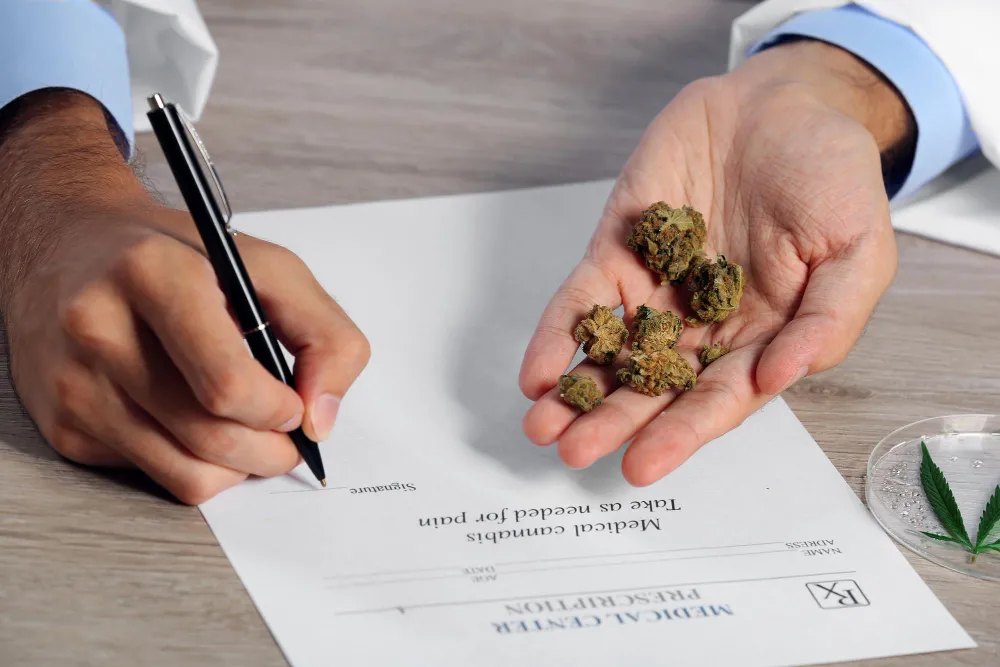
While eligibility rules vary by state, many medical marijuana programs recognize certain psychiatric conditions as qualifying conditions. Let’s have a look at them:
1. Depression
Depression affects mood and daily function. Some patients report short-term mood improvement with cannabis use. Research suggests that cannabinoids may influence brain pathways involved in mood regulation.
Still, long-term effects are unclear. Psychiatrists usually approach depression and cannabis with caution, especially for patients with a history of mood instability.
2. Anxiety
Anxiety is one of the most common reasons patients ask psychiatrists for medical weed. Low doses of certain cannabis compounds may reduce tension and promote calm in some people. Higher doses can worsen anxiety and cause panic.
This dose-dependent effect makes careful evaluation essential. Psychiatrists assess each case individually rather than offering general approval.
3. PTSD (Post-traumatic Stress Disorder)
PTSD involves sleep disruption and heightened stress responses. Some studies suggest cannabis may help reduce nightmares and improve sleep in certain patients.
At the same time, psychiatrists remain alert to risks related to dependency on cannabis and emotional blunting. Treatment decisions focus on symptom patterns and a patient’s overall stability.
4. Substance Abuse Disorders
This area requires the greatest caution. A recent study links medical cannabis access with reduced opioid use in certain populations. At the same time, psychiatrists carefully assess addiction risk. They consider personal history and treatment goals before supporting any cannabis use.
How to Have a Productive Conversation with Your Psychiatrist About Medical Weed
If you want to discuss medical cannabis with your psychiatrist, you need to prepare first.
Start by explaining your symptoms clearly. Focus on what you experience daily and what treatments you have tried. Share concerns honestly and do not present cannabis as a cure. Instead, frame it as an option you want to understand.
Ask your psychiatrist how cannabis may interact with your current treatment plan. Listen carefully to their reasoning. Some psychiatrists may support medical cannabis in cases involving persistent symptoms, limited response to standard treatments, or specific qualifying conditions under state law. Others avoid it for clinical or workplace reasons. A refusal does not mean dismissal of your needs. It reflects professional responsibility.
If your psychiatrist does not recommend cannabis, you still have options, as other licensed medical providers can evaluate eligibility through a separate process.
Conclusion
So can a psychiatrist prescribe medical weed? Psychiatrists cannot write prescriptions for cannabis, but they can play a meaningful role in evaluating mental health needs and discussing treatment options.
Medical cannabis may be an option for some people, but it works best when used thoughtfully and in accordance with the law. When patients decide to explore certification, providers like MedCert help guide them through a legal and state-compliant medical marijuana evaluation.