
Many people live with the constant weight of a throbbing headache and a sharp pain behind their eyes. When common painkillers fail to provide relief, the search for an alternative often leads many to cannabis.
While some users report relief from severe migraines, concerns around legality, side effects, and the long-term health impact of cannabis continue to create uncertainty.
In this blog, we will break down how cannabis interacts with your brain, look for answers to “can weed help headaches?”, and discuss the safety concerns you must know.
How Cannabis and Headaches Are Connected
We have an endocannabinoid system (ECS) in our bodies that helps regulate pain, sleep, and mood. Think of the ECS as a volume knob for pain signals. When it functions correctly, it keeps the volume low.
This system relies on special messenger molecules to send instructions to your brain. There are two main types you should know:
- Endocannabinoids: These are natural, cannabis-like molecules that your own body produces on demand. They are the body’s internal way of turning down the volume on pain signals.
- Cannabinoids (from plants): These come from external sources, like the cannabis plant (THC and CBD).
Research suggests that people with chronic migraines may have an endocannabinoid deficiency. It means their bodies do not produce enough natural endocannabinoids to decrease pain.
When a person uses cannabis, compounds like THC and CBD step in to fill that gap. They bind to receptors in the brain to help reduce pain.
Can Weed Help Headaches?
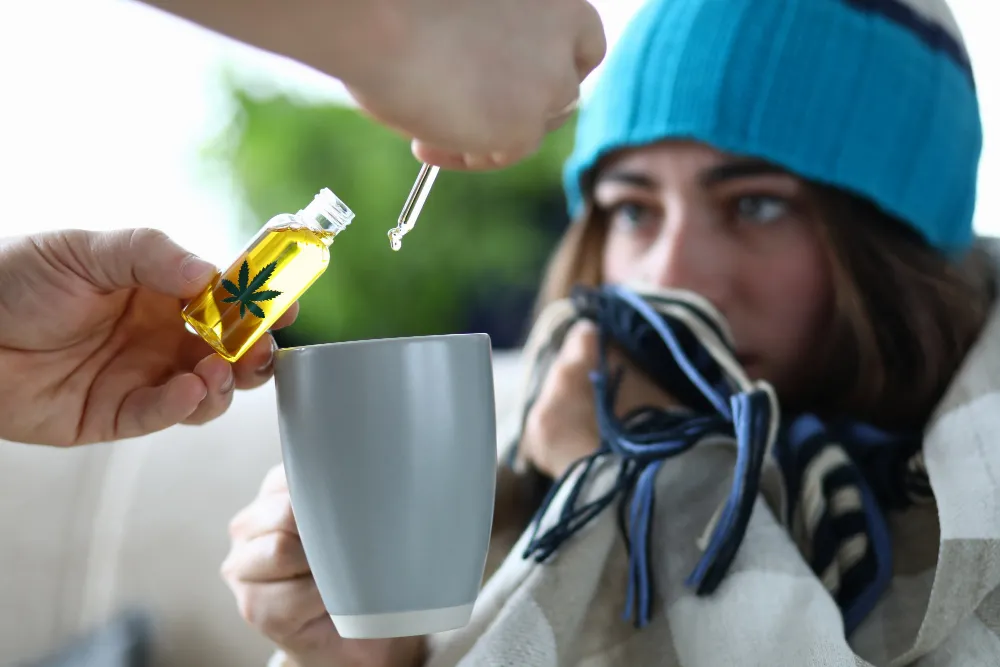
The most common question for patients is whether the science backs up the stories. Recent studies, including a major 2025 trial, show that cannabis can indeed reduce the frequency of attacks.
CBD for Cluster Headaches
Cluster headaches are often called “suicide headaches” because the pain is so piercing and localized. While THC is known for pain numbing, CBD for cluster headaches is a topic of growing interest.
CBD is non-psychoactive, meaning it does not get you high, but it has strong anti-inflammatory properties. Some patients find that high doses of CBD oil reduce the intensity of a cluster cycle, though research is still in the early stages and results vary between individuals.
CBD and Tension-Type Headaches
A tension headache usually feels like a tight band around the head. It often comes from physical stress or tight muscles in the neck and jaw. Using CBD for tension-type headaches can be effective because CBD acts as a muscle relaxant.
CBD helps the body let go of physical stress without the foggy feeling that THC might cause. Such properties make it a popular choice for people who need to stay sharp during the workday but want to stop a headache before it peaks.
Risks of Using Cannabis for Headache Relief

Before you decide if weed can help with headaches, you must look at the potential downsides. Like any other medicine, marijuana also has its drawbacks. Here are the side effects you may face while using cannabis.
1. Short-Term Side Effects
The most immediate issues people may face are physical. You might experience:
- Dizziness: This is common, especially if you stand up too fast.
- Dry mouth: Often called cottonmouth, it can be uncomfortable but is usually temporary.
- Brain fog: You might find it hard to focus or remember small details for a few hours after use.
2. Long-Term or Frequent Use Concerns
If you rely on cannabis too often, your brain can start to depend on it. It leads to two main problems.
First is dependency, where you feel you cannot function or sleep without it.
Second, and more relevant to this topic, is the risk of rebound headaches. If you use weed too often, your brain may trigger a headache once the effect is gone.
You should also keep an eye on your symptoms to ensure that the treatment doesn’t trigger a new issue, such as asking yourself, “Does weed cause migraines?” in your specific case.
3. Interaction With Other Medications
This is a professional medical concern. Cannabis can change how your liver processes other drugs. If you take blood thinners or specific migraine preventatives like rimegepant, cannabis might make those meds less effective or increase their side effects. Always talk to a professional before mixing these treatments.
Ways to Use Cannabis for Headache Management
The method you choose affects how quickly you feel relief and how long that relief lasts.
1. Inhaled Cannabis
Smoking or vaporizing is the fastest way to stop a sudden attack. The chemicals go straight to the lungs and then the brain, bypassing the stomach. Inhaled cannabis usually works within a few minutes. It allows for micro-dosing, where you take one puff and wait to see how you feel before taking more.
2. Edibles and Oral Formats
Gummies and capsules differ because they have to pass through your liver, which takes time. You might need to wait 60 to 90 minutes for the effect to take place.
However, once it kicks in, it can last for 8 to 12 hours. Many patients ask, can edibles help with migraines? The answer is yes, especially for those who wake up with pain in the middle of the night or need long-term relief for a whole day.
3. Sublingual Tinctures and Oils
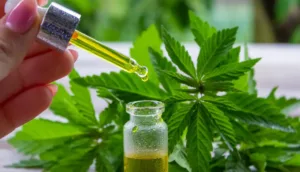
These are drops placed under the tongue. They work faster than an edible (usually 15 to 20 minutes) but last longer than smoking. This method allows for precise dosing without exposure to smoke or strong odor.
4. Topical CBD Products
If your headache starts with a tight neck or a sore jaw, topicals are a great tool. You rub the cream directly on the skin. It won’t get you high, but it can calm the local nerves and muscles that contribute to the pain.
Final Thoughts
Cannabis is a powerful tool in the fight against chronic head pain, but it requires a careful balance. While the benefits for pain and nausea are clear, the risks of rebound headaches and medication interactions are real. It is best to treat cannabis as a part of a larger plan rather than a single solution.
We suggest that you monitor your triggers and keep a log of how different methods affect you. Because every person has a unique brain chemistry, what works for one person might not work for you.
At MedCert, we believe in finding the right path for your specific needs. We encourage you to consult a medical provider to determine whether you qualify for a medical card and to ensure your safety throughout the process. Laws vary by state, so always stay updated on your local regulations.
If you are considering cannabis as part of your headache management plan, taking the next step with the right guidance can make the process more effective and secure.