Did you know that marijuana can stick around in your body system for weeks even after you have stopped feeling its effects? Research published in Cannabis and Cannabinoid Research in 2023 found that people who use marijuana daily can test positive for up to 30 days after they stop completely.
Many US states have made cannabis legal, but some employers still test for it. They do this to ensure safety in jobs that involve driving, operating machinery, or handling sensitive tasks. So, you need to know how long marijuana stays in your body. That way, you can apply and prepare for the job accordingly.
This guide breaks down the main factors that affect how long marijuana stays in your body and how different tests can find marijuana in your system.
How Cannabis Breaks Down in the Body
When you use cannabis, your bloodstream absorbs it. Tetrahydrocannabinol (THC) is the main psychoactive compound in cannabis that makes you feel high. Once THC enters your blood, it travels throughout your body, including your brain, where it interacts with receptors that create the feeling of intoxication.
THC does not remain in its original form inside your body. Your liver breaks it down into different substances called metabolites like 11-OH-THC and THCCOOH.
These metabolites dissolve in fat rather than water. It means that your body stores them in fatty tissues where they can remain for a long time. Your body can slowly release these stored metabolites back into your bloodstream over time. Eventually, they leave your body through urine and stool.
What Are the Factors that Retain Marijuana in Your System?
There are several factors that influence how long marijuana stays in your body system. Let’s look at these key factors.
- Frequency of Use: Those who are occasional users of weed, typically have a shorter detection window than regular or more frequent users.
- Type and Form of Cannabis Consumed: The type and form of weed you consume whether it’s smoking, vaping, or edibles, can affect the duration THC stays in your system. For example, edible forms take longer to eliminate from your body and may remain detectable longer than smoked marijuana.
- Metabolism and Body Fat Percentage: Having higher body fat means that THC can stay in the system longer. Also, if you have a slower metabolism, it can also delay its excretion.
Detection Windows for Different Types of Drug Tests 

The detection window varies depending on the type of test administered. Here’s a breakdown of how long THC remains detectable in your system through different testing methods:
1. Marijuana Detection in Urine Test
Urine tests are the most common method for detecting cannabis use. Detection windows vary based on usage frequency:
- Occasional Use (once or twice): Up to 3 days
- Moderate Use (3-4 times per week): 5-7 days
- Frequent Use (daily): 10-15 days
- Chronic Heavy Use (multiple times daily): Over 30 days
2. Marijuana Detection in Blood Tests
Blood tests have the shortest detection window, typically detecting THC for up to 12 hours after use. However, in heavy users, THC can still be detectable in the blood for up to 30 days. Blood tests are usually used to assess recent intoxication, such as during roadside checks or workplace testing.
3. Marijuana Detection in Saliva Tests
Saliva tests are commonly used to detect THC in the body and are capable of identifying its presence for up to 8 days, especially in frequent cannabis users. These tests are effective in capturing recent cannabis use and can provide a reliable indication of THC levels within that time frame.
4. Marijuana Detection in Hair Tests
Hair tests provide the longest detection window, detecting THC for up to 90 days. This is because THC metabolites are deposited in hair follicles through the bloodstream and sebum. However, hair tests may not detect light or infrequent cannabis use.
How Your Body Metabolizes Cannabis
The moment you consume cannabis, your liver begins breaking THC down into smaller compounds called metabolites. What makes cannabis different from many other substances is that THC is fat-soluble. Instead of dissolving in water and leaving quickly, it attaches to fat tissue throughout your body.
From there, it is released back into your bloodstream gradually as your body burns through those fat cells. This is why you can feel completely sober in a matter of hours while the chemical traces stay behind for weeks.
Factors That Affect How Long THC Stays in Your System
Several personal variables decide how long those metabolites stay in your body. No two patients follow the same timeline because everyone’s biology works differently.
Usage Frequency
It is usually the single biggest factor. A one-time use clears out fairly quickly, but daily medical use causes THC to build up in your system faster than your body can clear it.
Body Mass Index (BMI)
Since THC stores itself in fat, your body composition plays a direct role. People who carry more body fat tend to hold onto metabolites longer than those with a leaner build.
Metabolic Rate
Metabolic rate is an important factor that determines how long cannabis stays in your body. Fast metabolism washes off this marijuana through the body’s natural process. While those having slow metabolism have cannabis deposition and take a longer time to clear their system.
Lifestyle and Hydration
Staying active and drinking enough water each day supports your body’s natural detox pathways. However, a sudden burst of heavy exercise right before a test can actually work against you. It pulls stored THC back into your bloodstream and can cause a temporary spike at the worst possible moment.
Potency and Dosage
The strength of your medicine matters more than most people realize. High-percentage concentrates and heavy-dose edibles push more THC into your system, and your body simply needs more time to work through all of it.
Detection Windows for Different Types of Drug Tests
Each testing method checks a different part of your body, which is why their look-back periods vary so widely.
- Urine test THC window is the standard choice for most workplace screenings. Occasional users generally clear within 3 to 7 days, but regular users often need anywhere from 15 to 30 days.
- Blood Testing for THC is used when someone needs to confirm very recent use. The detection window is typically 2 to 12 hours, though it can stretch to 48 hours in heavy users.
- Saliva Testing has become common at roadside checkpoints because its look-back window is short, only about 24 to 48 hours.
- Hair follicle THC detection is the most thorough method available. Since THC becomes locked into the hair strand as it grows, these tests can reveal a full 90 days of use.
How Long Does Marijuana Stay in Your System After One Time Use?
The duration marijuana stays in your system after one use depends largely on your usage habits. Let’s break down how detection times vary for occasional users versus regular and heavy users.
For Occasional Users
If you’ve only used marijuana once, it may stay in your system for up to 3 days. However, this can vary depending on factors like metabolism and the type of test being used.
For Regular and Heavy Users
For those who use marijuana frequently or heavily, THC can remain detectable in the system for up to 30 days or more. This is due to the accumulation of THC metabolites in the body over time.
How Long Does Marijuana Stay in the System for Medical Marijuana Patients?
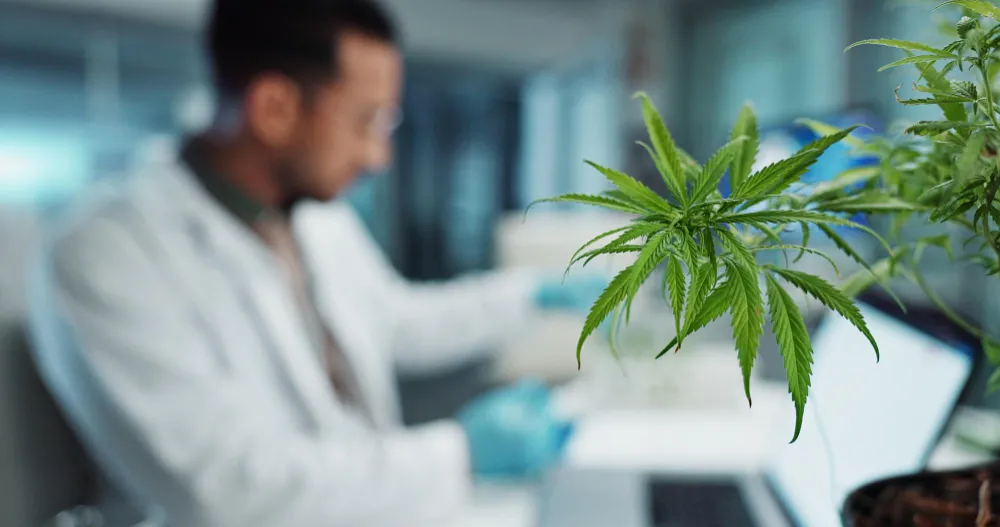
Patients using marijuana for chronic pain or other medical conditions may find that THC stays in their system longer compared to occasional users.
If you’re a medical marijuana patient, it’s essential to be aware of how your usage may affect drug test results, especially if you need to take a drug test for work, legal reasons, or other circumstances.
Why Should You Detox from Marijuana?
To better understand the importance of detoxing from marijuana, it’s essential to know why clearing THC from your system matters. Let’s explore the key reasons that may require you to remove marijuana from your body.
- Employment Requirements: If a drug test is required for a job, clearing THC from your system is crucial.
- Legal Matters: Some legal situations may require a clean drug test result.
- Health Concerns: Detoxing may be necessary for health or personal reasons.
- Strict Drug Test Timelines: Understanding when marijuana metabolites will be undetectable is key to passing a drug test.
How to Get Marijuana Out of Your System Faster
There’s a lot of misinformation surrounding detox methods for cannabis. Some people use different methods to clear THC faster such as:
- Detox Drinks
- Exercise
- Extreme Hydration
Unfortunately, there is no scientific evidence to support these methods. Detox kits, in particular, are unreliable and can be dangerous.
The most effective way to eliminate THC from your system is by giving your body time to naturally metabolize it. However, supporting your body’s processes can be helpful.
Here’s how you can assist your body in detoxifying:
- Stay Hydrated: Drinking plenty of water helps flush out toxins.
- Eat a Healthy Diet: Nutrient-rich foods can support your body’s metabolism.
- Get Plenty of Rest: Adequate sleep allows your body to repair and rejuvenate.
Conclusion
Marijuana can stay in your system anywhere from a few days to several months depending on its usage, your metabolism, and the type of drug test. The best approach for passing a drug test is to refrain from cannabis use and allow your body time to clear THC naturally.
If you are considering using medical marijuana and have concerns about drug testing, it’s a good idea to consult with a healthcare provider. For more information on obtaining your medical marijuana certification, visit MedCert and take the first step toward a safer, legally compliant experience.
Frequently Asked Questions
How long does THC stay in urine?
It comes down to how often you use it. One-time users are typically clear within a week. Heavy medical users, however, should plan for a window of 30 days or more.
Can drinking extra water help you pass a test?
Drinking water can dilute your urine, but it doesn’t remove THC from your body. THC is stored in fat, so it only leaves your system gradually over time.
Can edibles affect how long THC stays detectable in your body?
Edibles take a different route through your body compared to smoking or vaping. Your liver processes them, producing a higher volume of metabolites. The result is that THC tends to stick around a little longer than it would through inhalation.