PTSD, basically the mind hanging on to old trauma, can make life feel heavy. The sleepless nights and unexpected flashbacks can make it hard for your body to ever truly settle.
Luckily, several treatment options can help, and some people turn to cannabis hoping for relief. This leads to an important question: Does cannabis truly help PTSD, and is it safe to rely on?
This blog explores how weed may support PTSD symptoms, its possible side effects, and whether it can offer meaningful long-term benefits.
What Is PTSD and What It Does to the Body
Post-Traumatic Stress Disorder (PTSD) is a mental health condition that develops after a person experiences a traumatic event. This could be a serious accident, military combat, abuse, or natural disaster.
PTSD affects both the mind and body. Your brain becomes more alert and stays in a constant fight or flight mode which can lead to:
- Nightmares
- Trouble sleeping
- Intense flashbacks
- Sudden mood changes
- Feeling detached and numb
- Difficulty focusing
The stress hormones in this condition remain active longer than they should normally which affects memory and mood.
Who Is Most Affected by PTSD
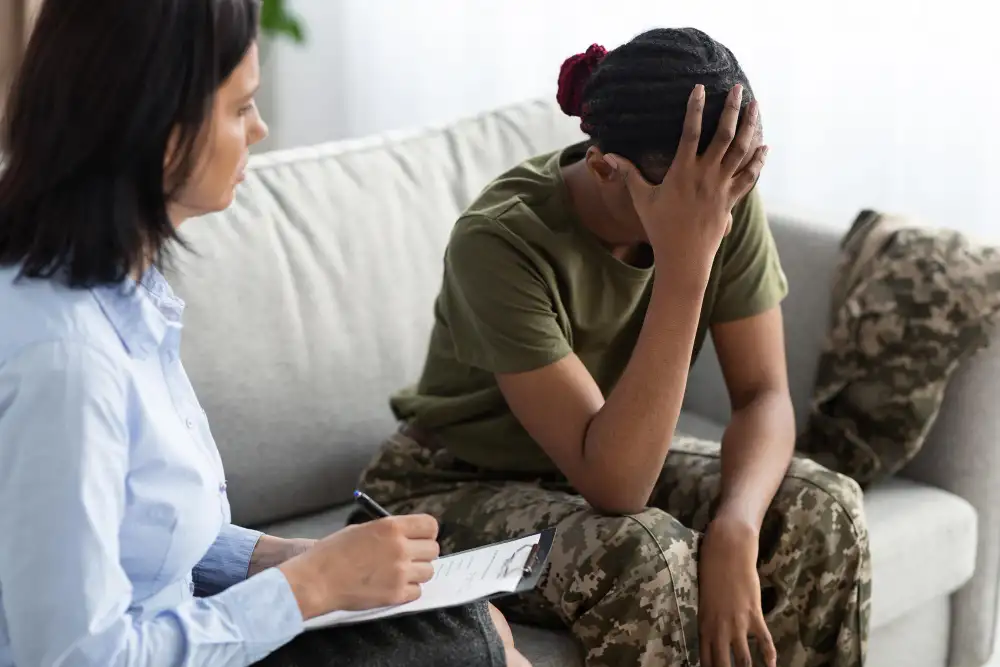
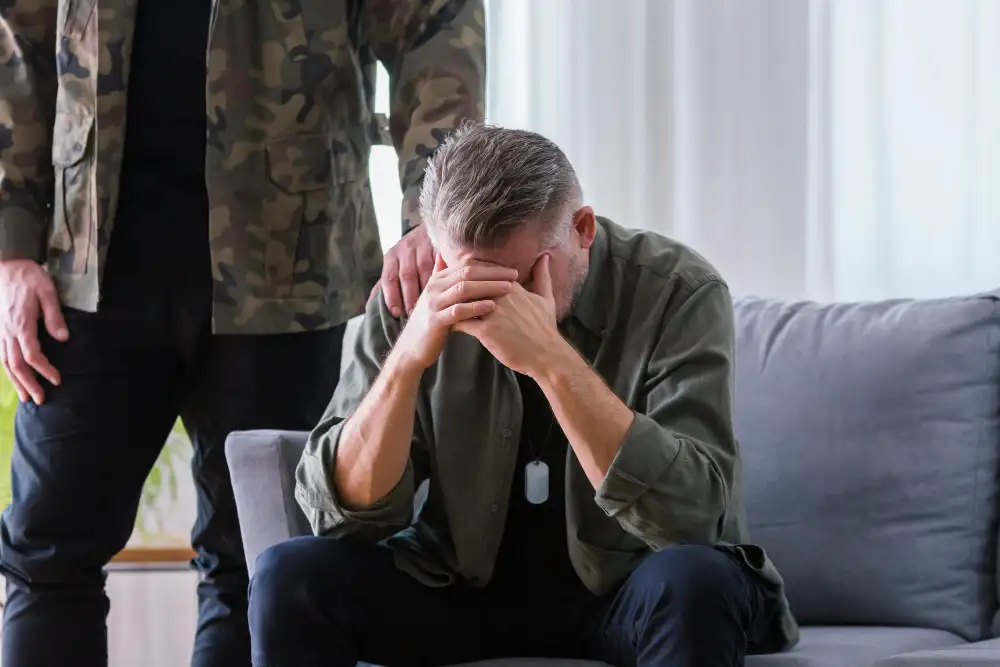
PTSD can affect anyone but some groups such as veterans, firefighters, and survivors of abuse, assault, or major accidents are more vulnerable. Their constant exposure to danger and stressful situations puts them at higher risk of developing long-term trauma.
Studies suggest that around seven out of one hundred veterans experience PTSD at some point in their service and nearly 20% of those use cannabis to manage their symptoms.
What Does Science Say About Cannabis for PTSD?
Current clinical research on using cannabis for PTSD shows deeply mixed results. Existing studies have not established marijuana as a proven cure or standard treatment for PTSD. While some smaller tracking studies show patients report fewer flashbacks, large-scale clinical trials remain insufficient to back these claims. Medical organizations like the American Psychiatric Association do not recommend marijuana as a first-line therapy because long-term safety and true medical effectiveness are still unproven.
When you look closely at studies related to the effects of medical marijuana on PTSD, a clear divide emerges between how patients feel in the short term and what clinical data actually measures. Many people who use cannabis for PTSD report that it helps them calm down quickly or escape a high-anxiety moment. However, observational tracking over months or years often shows a different picture.
Can Cannabis Actually Treat PTSD or Only Relieve Symptoms?
Cannabis does not cure or treat the underlying causes of PTSD. At best, it temporarily relieves specific symptoms like insomnia or acute panic. It acts as a temporary chemical buffer that dulls your nervous system’s immediate reactions. It does not process the deep trauma or repair the way your brain handles fear memories over time.
To understand how weed helps PTSD symptoms, you should look at what happens during a flashback or a panic spike. The brain enters a state of hyperarousal and floods your body with stress hormones. Smoking or consuming marijuana slows down this immediate survival response, which makes a person feel like the condition is improving.
- Symptom Relief: Dulls hyperarousal, lowers immediate heart rate during panic, and forces muscles to relax.
- Trauma Processing: Zero effect. It does not help the brain recontextualize painful memories the way cognitive behavioral therapy does.
- The Rebound Effect: Once the cannabinoids leave your bloodstream, the original anxiety often returns, sometimes with higher intensity.
This creates an important distinction between marijuana PTSD treatment and symptom relief. True treatment helps you process the trauma so your brain stops treating the past memory as an active and present danger. Because marijuana merely alters your current state of awareness, using it for PTSD is more like taking aspirin for a broken bone.
It might reduce the throbbing pain temporarily, but the underlying structure remains fractured until you address it through proven psychological therapies.
How Does Cannabis Help PTSD Symptoms?
We have a system in our brain called the endocannabinoid system that controls mood and stress. This system receives signals through natural chemicals called endocannabinoids.
Interestingly, cannabis contains compounds known as THC and CBD that act in the same way. These compounds interact with the system in the brain and help the body feel more balanced.
According to the National Library of Medicine, users report that cannabis helps them manage their PTSD symptoms especially by improving sleep and reducing anxiety.
THC vs CBD: Which Is Better for PTSD Symptoms?
Taking a lot of THC makes PTSD worse by bringing on severe paranoia and panic. On the other hand, CBD looks much more promising for managing your symptoms because it works with your brain without making you high. This is precisely why most medical experts prefer CBD-heavy options. They come with far fewer mental health risks and do not leave you feeling as impaired as THC does.
When exploring the difference between cannabinoids and PTSD, the way these two compounds interact with your brain’s receptors matters immensely. THC binds directly to receptors in the amygdala, which is the fear center of the brain. For some people, a tiny amount of THC reduces a fear response.
However, in others, particularly people with severe PTSD symptoms, THC may increase anxiety, panic reactions, or emotional distress that can resemble PTSD-related episodes or flashback symptoms.
Cannabinoid Comparison
Cannabinoid | Primary Action on PTSD Symptoms | Major Risks and Drawbacks |
THC | Can temporarily shut down nightmares; numbs heavy emotional pain quickly. | High risk of paranoia, panic attacks, addiction, and worsening memory issues. |
CBD | Reduces baseline physical anxiety; helps calm the nervous system without a high. | Subtle effects; requires consistent dosing; limited data on severe flashback relief. |
Looking specifically at how THC may affect PTSD symptoms, users often get trapped in a cycle of heavy use to suppress troubling memories, which frequently leads to cognitive fatigue and dependence. On the flip side, the benefits of CBD for PTSD primarily focus on promoting physical calm. CBD helps lower your daily resting anxiety and stabilizes your mood without altering your cognitive function. Because CBD avoids the mind-altering risks of THC, it is generally considered the safer and more stable compound to discuss with a doctor.
Most Commonly Reported Benefits of Cannabis For PTSD
Cannabis has been reported to relieve nearly all the symptoms of PTSD. Here are some of the most commonly mentioned benefits:
- Better sleep: People using medical marijuana for PTSD fall asleep more easily and wake up feeling more rested. It also helps to reduce nightmares and disturbing dreams.
- Reduced anxiety: Cannabis creates a sense of calm and helps people feel less anxious. People claim that it is easier to handle stressful situations during the day while using cannabis.
- Improved focus: For some, cannabis helps quiet racing thoughts and mental restlessness. It allows better focus on daily activities.
- More emotional balance: Users often feel fewer mood swings and less irritability. This emotional stability improves relationships and overall quality of life.
Why Do Studies on Cannabis and PTSD Show Mixed Results?
Research on marijuana for PTSD shows highly inconsistent results because cannabis plants contain hundreds of different chemical compounds, making standardization in clinical trials almost impossible. Additionally, individual brain chemistry, varied dosing methods, and differing levels of trauma exposure mean that what brings temporary peace to one patient might cause a severe panic attack in another.
When researchers try to study why marijuana research is inconsistent, they run into the issue of product variety. A patient buying a strain from a dispensary in one state is getting an entirely different mix of chemicals than a patient using a legal medical product in a clinical trial. Without a uniform and lab-controlled dose, scientists cannot track results accurately.
The Inconsistency Problem in Cannabis Research
Variable Factor | Impact on Clinical Research Results |
Varying Chemical Profiles | Different strains contain entirely different mixes of active compounds, making it impossible to standardize doses. |
Different Dosing Methods | Smoking, vaping, and edibles release cannabinoids into the bloodstream at completely different rates and strengths. |
Unique Brain Chemistry | Individual genetics, levels of trauma exposure, and natural anxiety thresholds cause the plant to affect every patient differently. |
Another issue is the human element. Some participants in PTSD cannabis clinical trials have lived with trauma for decades, while others developed it recently. Some possess a genetic predisposition to cannabis-induced anxiety, while others do not.
When you combine all these fluctuating pieces into a single study, the data trends in opposite directions. This leaves doctors with mixed and unreliable conclusions that make general medical recommendations impossible.
Risks and Side Effects of Using Cannabis for PTSD
The primary risks of using cannabis for PTSD include increased paranoia, worsening depression, a high risk of psychological dependency, and severe rebound anxiety when the substance wears off. Furthermore, regular use can interfere with your brain’s natural ability to extinguish fear, meaning it can prolong the overall duration of the disorder.
- Dependency Risks: Relying on a substance to escape intrusive thoughts makes you highly vulnerable to cannabis use disorder.
- Cognitive Slowdown: Heavy usage impairs short-term memory, making it even harder to organize thoughts and participate in therapy.
- Sleep Disruption: While THC helps you fall asleep initially, it reduces REM sleep, preventing your brain from naturally processing emotional stress overnight.
Doctors also worry deeply about the dependency on cannabis and the PTSD cycles. When you use weed to blunt an emotional crisis, you miss the chance to learn healthy psychological coping mechanisms.
When you try to stop using it, you will likely experience intense rebound symptoms, including vivid nightmares and severe irritability. This dependence makes it incredibly difficult to break the habit and leaves your mental health more fragile than it was initially.
Cannabis can be helpful but it is not risk-free. How your body reacts depends on the dose and frequency of use.
Possible side effects include:
- Dry mouth and dizziness
- Short-term memory issues
- Increased tolerance with frequent use
- Dependence if taken in high doses for long periods
Is Cannabis a Long-Term Solution for PTSD?
Cannabis isn’t generally seen as a long-term solution. When you use it regularly, it may affect how your brain handles stress on its own, which can make it harder for your body to cope without it over time. Its addictive nature can make your body dependent on it to manage your emotions.
Short-term use under guidance can support your recovery from PTSD, but it should not be used as a permanent solution to cope with it. Use it to manage your symptoms more quickly.
Over time, it is important for you to work with a registered healthcare provider to build self-awareness and healthier coping habits.
Get Your Marijuana Card with MedCert
If you are considering cannabis for PTSD, it is beneficial to get a medical marijuana card. We at MedCert make the process quick and private for just $79 flat fee. Furthermore, you will get a 100% refund if your card is not approved. To learn more, check How to Apply for a Medical Marijuana Card Online.
Final Thoughts
Cannabis has shown promising potential for helping people manage PTSD symptoms especially when traditional treatments fall short. It reduces anxiety, improves sleep, and helps to improve focus.
However, everyone’s body reacts differently. What works for one person might not work for another. The best way to know if cannabis is right for you is to go through proper medical certification and follow expert guidance tailored to your needs.
Frequently Asked Questions
Can weed help PTSD?
Weed can help ease the symptoms of PTSC. It reduces anxiety, improves sleep, and calms flashbacks. However, the results are different for everyone.
How does weed help PTSD?
Weed affects the brain by acting like natural compounds that help control mood, stress, and sleep.
Is cannabis a replacement for therapy and medication?
Cannabis can help with symptoms but it should be used alongside therapy and other safer treatments.
Is cannabis proven to treat PTSD?
Medical boards do not recommend it as a primary treatment because the data is inconsistent. While smoking or taking an edible might temporarily numb your symptoms, it does not actually heal the trauma. It is more like putting a bandage over a deep wound.
Can weed make PTSD worse?
For many people, weed actually backfires. If you take something with a high amount of THC, it can trigger intense paranoia, sudden panic attacks, and physical chest tightness. Instead of calming you down, it can end up bringing on a wave of anxiety that feels exactly like a real trauma flashback.
Does cannabis help with PTSD nightmares?
It can work both ways. Some people say it helps reduce nightmares because THC lowers REM sleep, which is the stage of sleep when most dreaming happens. However, the scientific evidence supporting this claim is still weak and inconsistent. Plus, if you try to stop using it, you will often experience severe rebound insomnia, bringing back even more intense and terrifying nightmares than before.
What is better for PTSD: THC or CBD?
If you are looking at the two, most medical professionals lean toward CBD. It helps calm that physical, on-edge feeling in your body without messing with your head or causing panic. THC is the compound that makes you high, and it carries a much higher risk of triggering paranoia, muddying your memory, or turning into a dependency that is hard to break.
Why do doctors not fully recommend cannabis for PTSD?
Doctors are hesitant because we still lack large and rigorous clinical trials that prove it is safe and effective over the long term. When you combine that missing data with the real risk of getting hooked or experiencing worse anxiety, most physicians would much rather guide you toward therapies like cognitive processing therapy, which actually help you work through the trauma for good.