
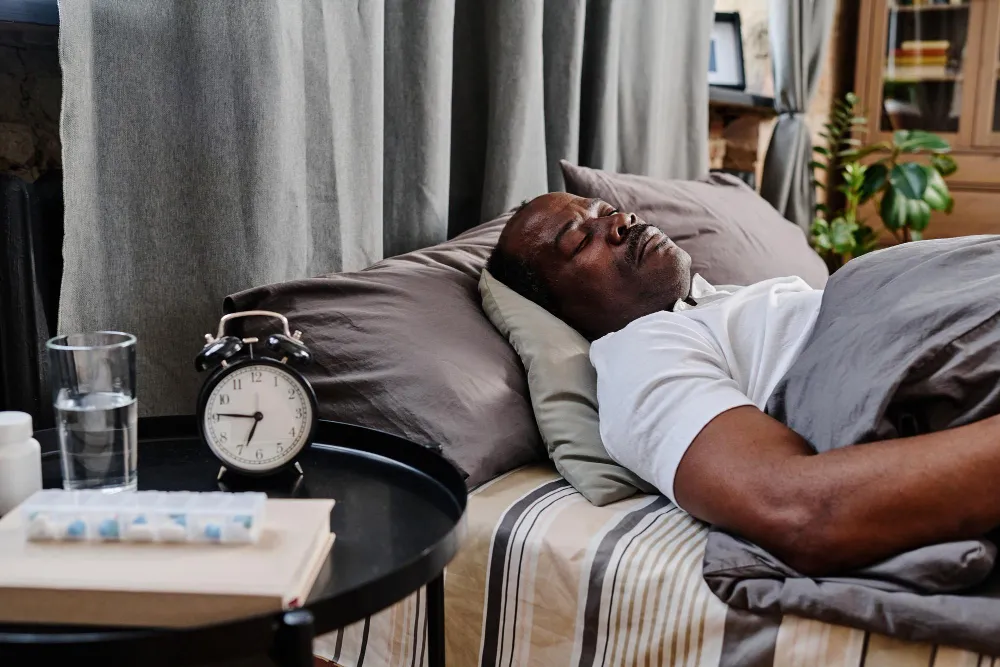
A good night’s sleep feels like a dream for many. You might toss and turn for hours or wake up feeling like you never closed your eyes at all. The struggle has led millions of people to try cannabis as a natural way to find rest.
While users have told stories about its benefits for years, the scientific world is finally starting to provide some real answers.
Recent changes in laws and new funding have opened the door for researchers to look more deeply into the plant. We are no longer guessing based on old stories. New data from 2025 and 2026 show how different compounds in the plant interact with our brains at night.
In this article, we will break down the latest cannabis sleep study news to see what has changed. We will review long-term outcomes from major universities and explain how medical cannabis might fit into a professional health plan.
The New Wave of Cannabis Sleep Study News
For decades, it was very hard for scientists in the US to obtain permission for high-quality trials due to federal restrictions. Now that the government has moved toward a Schedule III classification, the cannabis sleep study is moving faster than ever.
This progress is important because there has long been a gap between what people report and what clinical studies show. If you ask a person at a dispensary, they might say weed is a miracle for sleep. However, early laboratory tests often showed mixed results. The reason for this gap is that past studies were too short. Most only looked at a single night in a lab, which is not how people actually use the medicine.
The newest research focuses on real-world use over months or even a year. It gives us a much better look at how the body reacts over time. It also helps doctors determine whether the benefits remain the same or fade as the body gets used to the treatment.
Modern Evidence from 2025 and 2026 Reports
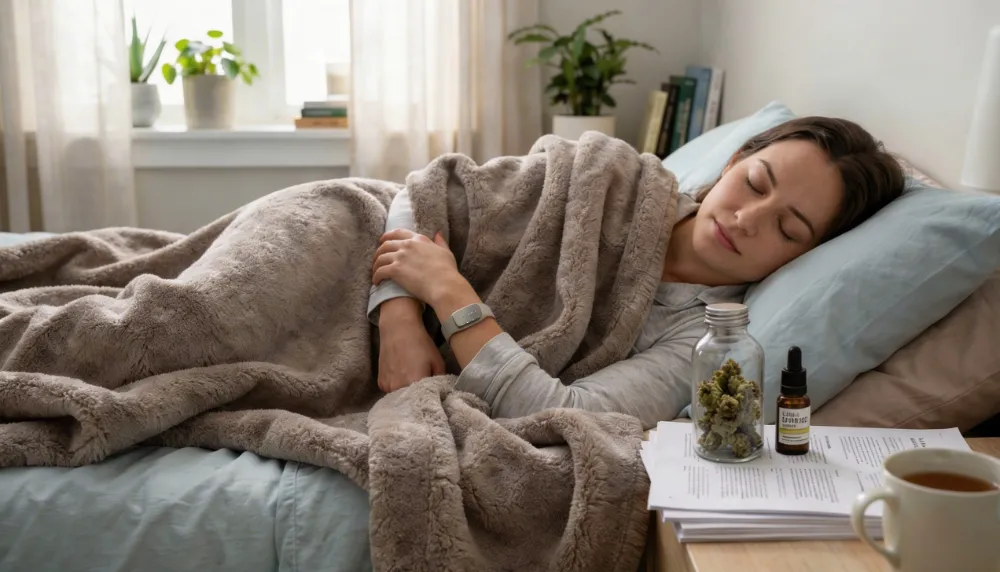
The medical world no longer relies on guesses. Instead, we now have data from long-term clinical observations. Two specific reports from the last 12 months have changed how doctors look at medical cannabis for rest. These studies are unique because they followed patients for over a year, rather than just a few days.
- The 12-Month Sleep Quality Study
In January 2026, the Philadelphia College of Osteopathic Medicine (PCOM) released a major report. Researchers followed 137 adults who were just starting their journey with medical cannabis. To get accurate data, the team used the Pittsburgh Sleep Quality Index (PSQI). This is a professional tool that tracks seven areas of sleep, such as how long it takes to fall asleep and how often a person wakes up at night.
The results were very consistent. Most patients saw a massive improvement in their sleep within the first three months.
The most important part of this THC sleep study news is that these improvements did not disappear. Even after a full year, the patients reported falling asleep faster and staying asleep longer.
- Long-Term Findings from PLOS Mental Health
Another important study came out in September 2025 in the journal PLOS Mental Health. This research examined 124 patients with insomnia over an even longer 18-month period. The goal was to see if cannabis-based medicines could help people who had failed to find relief with traditional sleeping pills.
The data showed that patients didn’t just sleep more; they felt better while they were awake. Participants reported significantly lower levels of anxiety and physical pain.
Since both anxiety and physical pain are key contributors to poor sleep, treating them helped patients stay asleep through the night. Very few people reported side effects, and those who did mentioned only minor things, such as a dry mouth or feeling a bit tired the next morning.
Does Marijuana Make You Sleepy?
To understand how cannabis affects sleep, we need to look at the endocannabinoid system (ECS). It is a network in your body that keeps things in balance, including:
- Your mood
- Pain
- Sleep-wake cycle
When you use medical cannabis, the compounds like THC and CBD attach to receptors in this system.
So, does marijuana make you sleepy on a biological level? The answer is yes, but it depends on the part of the plant you use. THC is the part that usually makes people feel drowsy or heavy. It can help reduce the time it takes to make you fall asleep. On the other hand, CBD does not usually make you sleepy on its own. Instead, it helps calm the nervous system.
Many doctors now suggest a balance. Using THC and CBD together often creates a more stable experience than using a high dose of just one compound.
Does Being High Make You Tired Every Night?

While cannabis can help you fall asleep faster, its regular use can affect how well you stay asleep and how rested you feel the next day. One concern doctors often have is tolerance.
Tolerance occurs when your brain becomes accustomed to a substance and requires higher amounts to produce the same effect.
The PCOM study showed that sleep benefits can last up to a year. But there is a catch. High doses of THC can reduce the time you spend in deep sleep, the stage where you dream and your brain processes emotions and memories. Most people know this stage as REM sleep, which stands for Rapid Eye Movement. It is the most restorative part of your sleep cycle.
Think of it like alcohol. A drink or two might help you fall asleep faster, but the quality of your sleep through the night takes a hit.
If you find yourself asking, “Does being high make you tired the next morning?” you might be using too much. The use of cannabis can leave you feeling foggy if the dose is too high or if you take it too late in the evening. That is why finding the right timing is just as important as the dose itself.
The Difference Between Feeling Better and Sleeping Better
There is a strange phenomenon in sleep science called “perception of improvement.” A person may wake up feeling completely rested, but the lab data reveals a different reality. Sleep studies can show that the person did not get enough deep sleep, yet they still feel fine.
The difference between how a patient feels and what clinical data shows is important in medical care because patient experience and measurable data do not always align. How a patient feels after treatment can be just as important as what the clinical data shows.
If a patient with chronic pain uses a tincture and finally gets six hours of rest without waking up in agony, their quality of life goes up. Even if their REM sleep is slightly lower, the benefit of not being in pain is much higher.
That is why medical-grade products are so important. When you work with professionals, you get access to products with accurate labels. You know exactly how many milligrams of THC or CBD are in each dose and how much you need.
Conclusion
The research from 2026 shows that medical cannabis is a very strong tool for those struggling with poor sleep. While it might not be a perfect fix for everyone, the long-term data suggest it provides lasting relief for many.
The key takeaway from the latest cannabis sleep study news is that consistency and professional guidance matter.
If you want to try this path, we suggest a “start low and go slow” method. Everyone has a unique body chemistry, and what works for one person might be too much for another. By tracking your progress and using clean, tested products, you can find a routine that helps you wake up feeling refreshed instead of exhausted.
At MedCert, we help patients navigate the legal process to get their medical cards safely. We believe that everyone deserves a chance at a restful night. If you are tired of struggling, reach out to us to see if medical cannabis is the right choice for your health journey.