The Centers for Disease Control and Prevention (CDC), National Health Service (NHS), and other respected health authorities have connected synthetic cannabis to severe, life-threatening conditions, including strokes, seizures, kidney injury, and even death.
Each batch of artificial weed can differ wildly in potency and chemical makeup. That means no one can truly predict how your body will react, and every time you use it, you are taking a gamble with your health.
Before you put yourself at that risk, you need to understand what artificial weed is, how it works, and why it can be dangerous for your health.
What Is Artificial Weed?
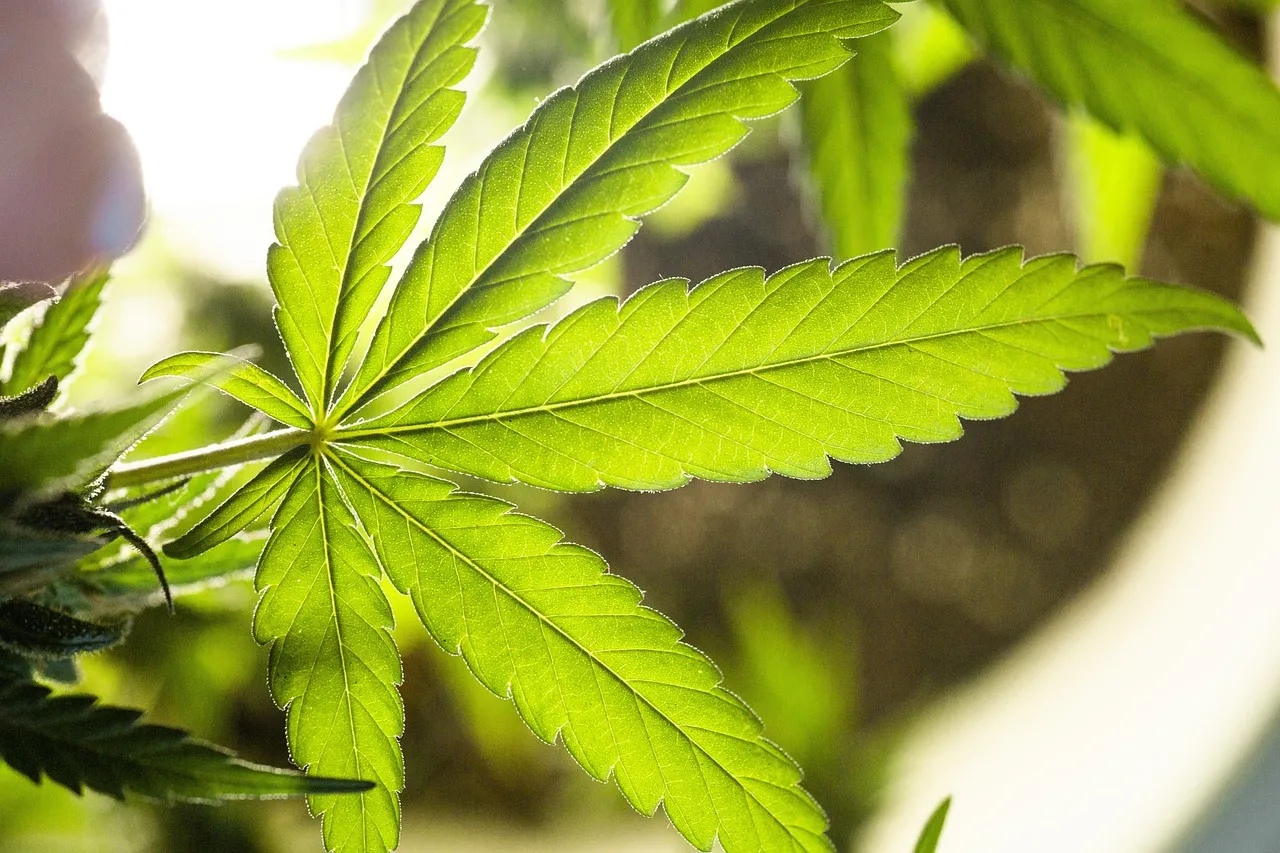
Despite its name, artificial weed is not cannabis. It is created in laboratories using synthetic chemical compounds designed to interact with the same brain receptors as THC (tetrahydrocannabinol), the primary psychoactive component of marijuana.
Manufacturers often offer them by:
- Spraying these chemicals onto dried plant material, which is then smoked.
- Mixing them into liquids for e-cigarettes or other vaping devices.
- Infusing them into gummies, baked goods, or herbal teas to be eaten.
Sold under names like Spice, K2, or herbal incense, these products come in eye-catching, colorful packaging. Labels frequently carry the phrase “not for human consumption,” a tactic to sidestep regulations. The look can be convincing, but the contents hide unpredictable, potentially toxic chemicals.
How Artificial Weed Differs from Natural Cannabis in Safety
Factor | Natural Cannabis | Artificial Weed (Synthetic Cannabinoids) |
Chemical Consistency | Contains THC and CBD (cannabidiol) in varying amounts. CBD helps soften THC’s psychoactive effects. | Often has only synthetic compounds designed to mimic THC, with no CBD to balance the effects. |
Potency | THC levels vary but are generally predictable in regulated products. | Can be up to 100 times stronger than THC, dramatically increasing the risk of severe reactions. |
Dosage Predictability | Easier to estimate dosage when buying regulated cannabis products. | Potency and composition can change from batch to batch, making dosage impossible to predict safely. |
Why People End Up Using Artificial Weed and Why It’s a Trap
Many people turn to artificial weed because:
- They think it is legal and will not appear on a drug test
- It is widely available online, in convenience stores, and through unregulated sellers
- It is often cheaper and marketed as “safer” than cannabis
Here’s the truth: none of these reasons make it safe. There is no quality control, no standardized dosing, and no guarantee of what is actually in the product.
Public health agencies warn that some batches even contain synthetic opioids or rat poison. What you believe is “just” artificial weed could be a cocktail of hazardous chemicals.
Short-Term Side Effects of Artificial Weed
Artificial weed affects your brain and body differently from natural cannabis because synthetic cannabinoids often bind more strongly to brain receptors. This amplified effect can trigger intense and unpredictable reactions, sometimes within minutes.
Effect | Why It Happens |
Rapid heart rate | Overstimulation of the cardiovascular system |
Nausea and vomiting | Toxic chemical reaction in the body |
Dizziness or confusion | Disruption of normal brain signaling |
Hallucinations | Overactivation of brain receptors linked to perception |
Panic or paranoia | Intense psychological reaction to high potency |
Seizures | Excessive neurological stimulation disrupting normal brain activity |
Chest pain | Strain on the heart due to increased blood pressure and abnormal cardiovascular response |
Tremors or muscle spasms | Disruption of motor control from overstimulation of the nervous system |
Profuse sweating | Chemical-induced overstimulation of the sympathetic nervous system |
Anxiety attacks | Overactivation of the nervous system causing overwhelming fear or panic |
Agitation or aggression | Neurological changes leading to loss of emotional control |
Fainting or loss of consciousness | Drop in blood pressure or severe neurological impairment |
Blurred vision | Altered brain signaling affecting visual processing |
Difficulty breathing | Airway restriction or respiratory system reaction |
Long-Term or Severe Effects of Artificial Weed
Kidney injury – Documented in multiple outbreak cases.
Seizures – Triggered by excessive neurological stimulation.
Psychosis – Lasting paranoia, delusions, or hallucinations.
Suicidal thoughts – Reported after both short- and long-term use.
Death – Linked to contaminated or high-potency batches.
Stroke – Caused by extreme blood pressure spikes or clotting abnormalities.
Heart attack – Elevated heart rate and blood pressure put intense strain on the cardiovascular system.
Real U.S. Incidents That Show the Dangers
In the United States, synthetic cannabinoids and unregulated cannabis products have been at the center of several major health emergencies:
- 2018 U.S. Contamination Outbreak – Synthetic cannabinoids laced with brodifacoum (rat poison) caused severe internal bleeding in more than 300 people, with multiple fatalities.
- 2015 Mississippi Crisis – Over 700 people were hospitalized, and nine died after exposure to a high-potency synthetic cannabinoid.
- EVALI Outbreak – The CDC reported 2,807 hospitalizations and 68 deaths from vaping-associated lung injuries. Many involved THC vape products from unregulated sources, highlighting severe contamination risks.
Why Testing and Regulation Often Fail
One of the biggest dangers with artificial weed is how easily it slips past detection. Standard drug tests often cannot identify synthetic cannabinoids. Even specialized labs have trouble keeping up because manufacturers constantly change formulas to avoid detection.
When one chemical is banned, another unregulated variant quickly takes its place. This constant shift makes it nearly impossible for authorities to control and for healthcare workers to know exactly what they are treating in an emergency.
How to Protect Yourself with Safer Choices Through MedCert
Artificial weed side effects can be severe and life-threatening. Choosing it means playing with your health for a short-lived high.
The safest option is to avoid artificial weed entirely. If you need cannabis for a medical condition, choose a regulated, legal source. In states like Virginia, New York, and Massachusetts, medical cannabis programs ensure products are lab-tested, labeled, and safe for use.
With MedCert, you can get certified for medical cannabis online in a quick, HIPAA-compliant telehealth visit for just $79. There are no office visits, no hidden fees, just fast, affordable access to safe cannabis from trusted sources.