
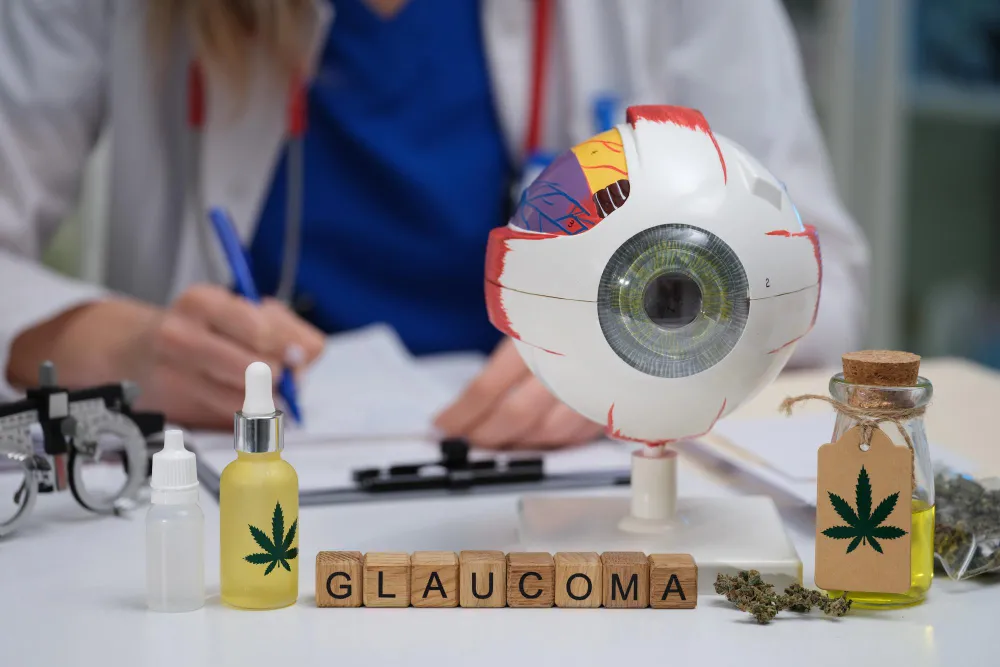
When it comes to protecting your vision from glaucoma, even small changes in eye pressure can make a lasting difference. It is a scary situation because once the optic nerve is damaged, the vision loss is usually permanent.
For decades, a common rumor has circulated through doctor offices and support groups that smoking weed can save your eyes. While there is some truth to the idea that cannabis can lower the pressure inside your eye, the reality for patients is much more complicated than simply reducing eye pressure.
In this article, we will break down the science behind the use of cannabis for glaucoma and how specific compounds in the plant interact with your ocular system. We will also look at the major hurdles that make it difficult to use as a primary medical strategy for glaucoma.
What Is Glaucoma and Why Does Eye Pressure Matter?
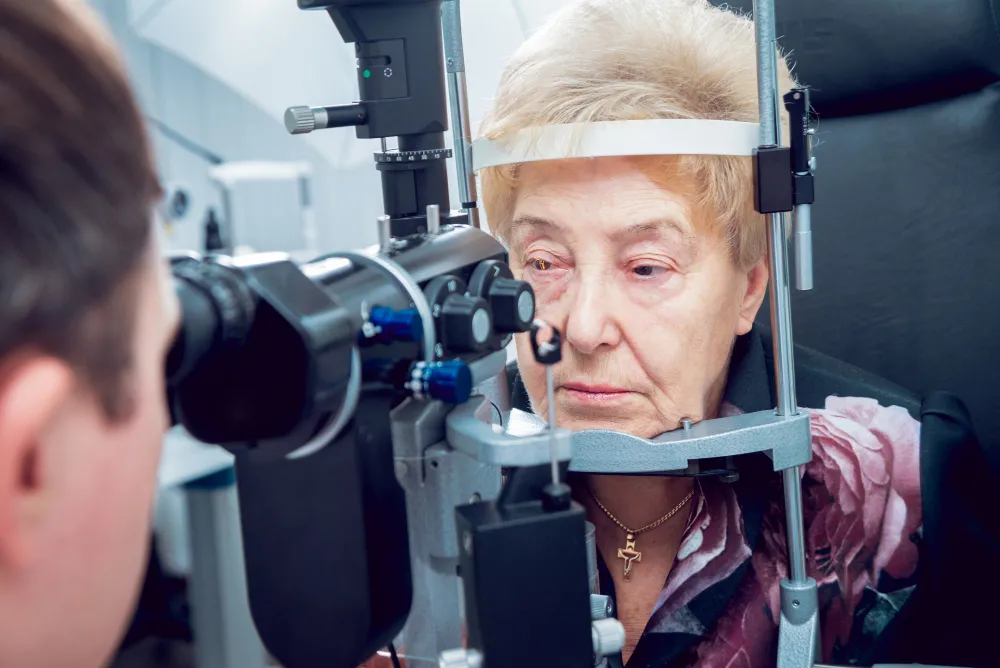
Before exploring treatment options, it is important to understand what glaucoma is and why eye pressure plays such a critical role. Glaucoma is often called the silent thief of sight. This condition happens when the fluid in the front part of your eye does not drain properly.
The fluid buildup increases pressure inside the eye, called intraocular pressure (IOP). Think of it like a tire that is over-inflated; eventually, that extra force starts to crush the delicate fibers of the optic nerve.
The optic nerve is the cable that sends images from your eye to your brain. When IOP stays excessively high for too long, these nerve fibers become damaged.
The process starts with your side vision and moves inward until total blindness occurs. The biggest challenge for doctors is that this pressure needs to be kept at a steady, low level 24 hours a day. If the pressure spikes while you are sleeping or at work, the damage continues to progress.
Does Marijuana Help With Glaucoma?

The link between marijuana and eye health is not a new discovery. In 1971, a famous study published in the Journal of the American Medical Association (JAMA) found that smoking cannabis could drop eye pressure by 25% to 40%. It was a huge deal at the time because the glaucoma drugs available back then had very harsh side effects.
However, the excitement faded when researchers examined the compound’s duration of effectiveness. The pressure-lowering effect of THC only lasts for about three or four hours. To keep your eye pressure low enough to prevent nerve damage, you would have to use the drug six to eight times every single day.
This short duration creates a cycle where the medicine wears off long before the next dose, leaving the eye vulnerable to damage during those gaps.
How Does Marijuana Help Glaucoma in Humans?
Scientists have discovered that the human eye is actually full of tiny locks called cannabinoid receptors. These are located in the trabecular meshwork, the eye’s drainage system.
When THC enters the bloodstream, it binds to these receptors, helping the eye’s fluid drain more efficiently while also slowing down the production of new fluid. It is a two-way attack under high pressure.
It is also important to understand that not all components of cannabis work the same way. THC is the compound responsible for both the psychoactive effects and the reduction in eye pressure. In contrast, CBD, which is commonly used for anxiety and pain, does not lower eye pressure and may even work against this effect.
If you are looking for how marijuana helps glaucoma in humans, you need to focus on the THC content, as CBD may be counterproductive for this specific condition.
Why Cannabis for Glaucoma Treatment is Not Always Practical
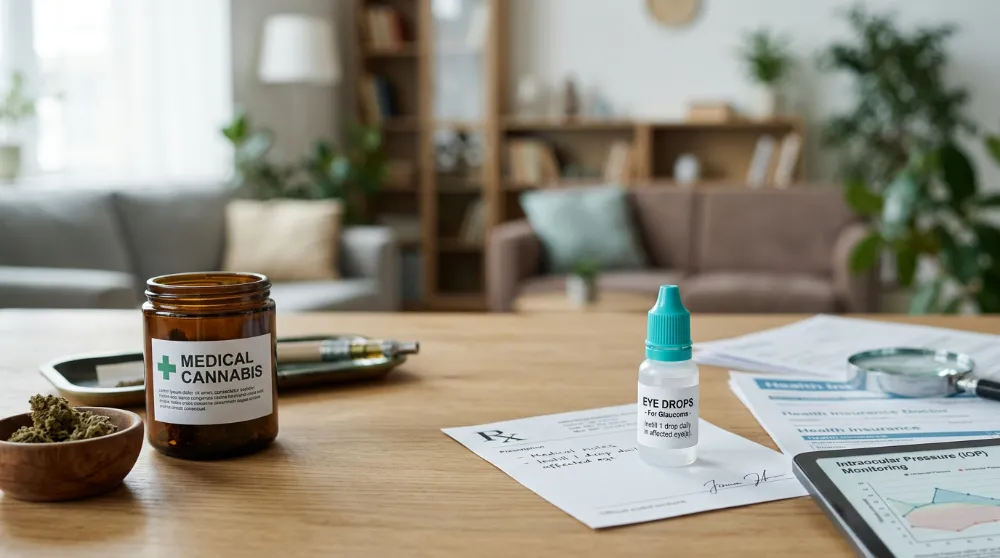
Even though the plant has the power to lower IOP, using weed for glaucoma treatment on a daily basis presents major lifestyle problems.
If a person has to smoke or eat cannabis every three hours to save their sight, they would be under the influence of THC around the clock. This makes it nearly impossible to drive a car or handle complex mental tasks.
There is also a financial burden. Buying enough high-quality cannabis to maintain a therapeutic level 24/7 is much more expensive than standard prescription eye drops.
Most insurance plans do not cover medical marijuana, whereas traditional glaucoma medications are often very cheap or covered by basic plans. For most people, the logistical and financial costs simply do not add up when compared to modern medical options.
Risks and Side Effects to Consider
Using cannabis for glaucoma comes with several practical, financial, and health-related challenges. Before choosing this path, you need to understand its full impact on your overall well-being. Beyond being high, there are physical risks that can actually hurt your vision in the long run.
Blood Pressure Drops: Marijuana lowers blood pressure throughout the body. While this sounds good, it can reduce blood flow to the optic nerve. If the nerve does not get enough blood, it can die even if the eye pressure is low.
Mental Focus: Constant use can lead to short-term memory issues and reduced motivation.
Lung Health: If you choose to smoke the medicine, you are exposing your lungs to many of the same toxins found in tobacco smoke.
Heart Rate: Cannabis can cause a racing heart, which is a risk for older patients or those with existing heart conditions.
Conclusion
The science is clear that cannabis can lower the pressure that causes glaucoma. However, it is not a permanent solution. Since the effects wear off so quickly, it is very hard to use as a standalone treatment without being constantly impaired.
Traditional eye drops and laser surgeries remain the gold standard because they provide steady, 24-hour protection with far fewer risks to your daily life.
If you are struggling with your current treatment or want to explore alternatives, the most important step is talking to a professional. You should never stop your prescribed eye drops to switch to cannabis without a doctor’s help, as this could lead to rapid vision loss.
At MedCert, we help patients navigate the complexity of medical cards and state regulations regarding medical cannabis use. We can help you understand how to integrate medical options into a safe and effective health plan.