According to a Gallup poll, 17% of Americans now use marijuana regularly. It means about 1 in 6 Americans use cannabis, the highest rate ever recorded. Even as more states legalize cannabis for medical and recreational purposes, federal law still classifies it as illegal. This legal divide allows employers to maintain drug-testing policies nationwide. As a result, many workers and job seekers face uncertainty and concern about their test results.
Facing a drug test can feel stressful, especially if you have used cannabis recently. The good news is that preparation makes a real difference. When you learn how long THC stays detectable and what affects your test results, you get a much clearer sense of your chances.
This guide explains how marijuana testing actually works and how to pass a marijuana drug test. You will learn detection windows of different tests and what realistic steps you can take if you need to pass a drug screening.
What Is Marijuana Drug Testing and Why Is It Used?
Marijuana drug testing is a screening process that detects THC or metabolites, the substances your body creates after breaking THC down. These tests use samples such as urine, saliva, blood, or hair.
This testing has become a standard practice across many industries to identify cannabis use among employees and job applicants. Employers rely on these tests to maintain workplace safety and meet legal requirements. Pre-employment screenings are especially common in sectors where safety is critical, such as:
- Transportation
- Healthcare
- Government sectors
Random testing also happens regularly in jobs that involve operating heavy machinery. Most companies continue testing for THC because federal law still classifies marijuana as illegal, regardless of state legalization status.
How Marijuana Drug Tests Actually Work
Drug tests don’t look for marijuana itself. They search for specific markers that show past cannabis use. When you use cannabis, THC enters your bloodstream and travels to your organs and brain.
Your body breaks down THC into metabolites, mainly a compound called THC-COOH (the primary breakdown product). These metabolites are fat-soluble, which means they stick to fat cells in your body instead of leaving quickly like water-soluble substances. Marijuana drug tests check the levels of these metabolites through different procedures.
Over time, your liver processes these stored metabolites and releases them slowly through urine and stool. That is why cannabis can show up on tests weeks after your last use.
Common Types of Marijuana Drug Tests
Labs use four main testing methods to detect cannabis in your system. Each test type has different detection windows and accuracy levels.
1. Urine Tests
Urine tests are the most popular choices for employers because they cost less and provide reliable results. Labs check your urine sample for THC-COOH levels above 50 ng/mL. In general, the detection window can range from a few days to over 30 days, depending on how often cannabis is used.
Urine Test Detection Time By Usage Pattern
One-time users typically test clean within 3 to 7 days. If you use cannabis 3 to 4 times weekly, expect detection for 5 to 15 days. Daily users need 10 to 15 days minimum, while heavy users who consume cannabis multiple times daily may test positive for 30 days or longer.
2. Saliva Tests
These tests catch THC that remains in your mouth and oral fluids right after consumption. The general detection window stays short because saliva doesn’t store THC metabolites the way fat cells do. Employers often use this method for roadside testing or quick on-site screenings. The shorter detection window makes it easier to pass if you stopped using it several days ago.
Saliva Test Detection Time by Usage Pattern
Saliva tests can detect THC for 24 to 72 hours after your last use. Most occasional users test clean within 1 to 2 days, while frequent users might need the full 3 days to clear
3. Blood Tests
Blood screening is the least common option due to its invasive nature and shortest detection window. However, it’s extremely accurate for detecting active THC in your system.
How Long THC Is Detectable in Blood
Most people test clean within a couple of days since THC moves rapidly from blood into fat tissue, where it gets stored.
4. Hair Follicle Tests
Hair testing offers the longest detection window at up to 90 days. Labs analyze a small hair sample from near your scalp to identify THC metabolites embedded in the hair shaft. This method takes longer to process, so employers typically do not prefer these tests.
How Long THC Is Detectable in Hair
THC metabolites take about 7 to 10 days to appear in new hair growth. These tests work best for detecting regular, long-term use rather than occasional consumption.
How to Pass a Marijuana Drug Test
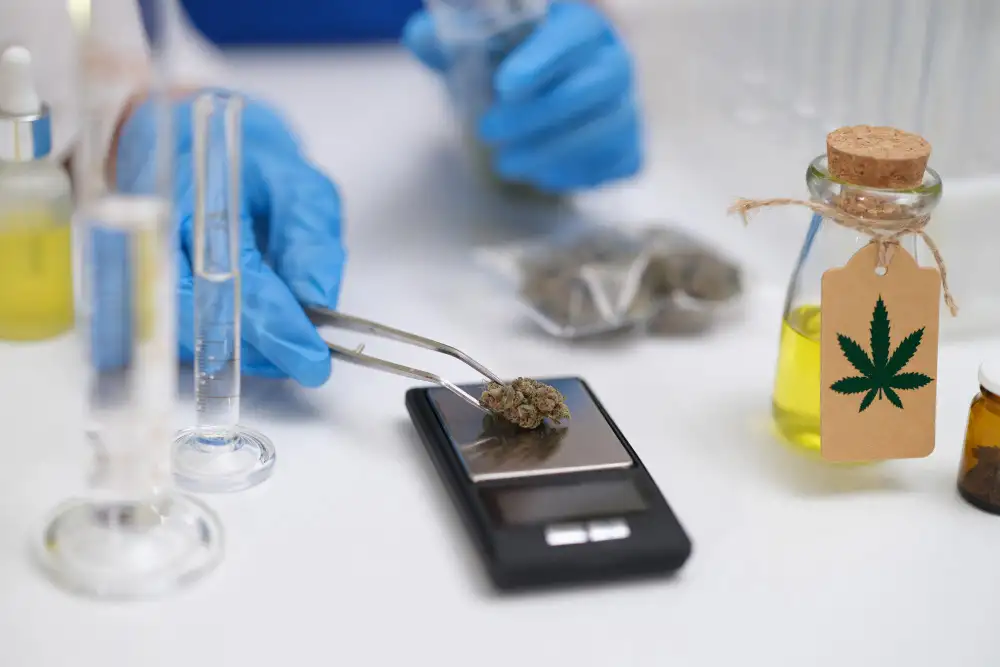
Passing a drug test requires understanding what actually works versus popular myths. There is no magic solution, but certain approaches can surely help you.
Stop Cannabis Use as Early as Possible
The single most reliable method is complete abstinence. Your body needs time to naturally process and eliminate THC metabolites. If you know a test is coming, stop using cannabis immediately. The longer you abstain, the better your chances of passing the test.
- For occasional users, 7 to 10 days might be enough
- Regular users should plan for at least 2 to 3 weeks
- Heavy daily users may need a full month or more
Stay Hydrated
Water helps your kidneys function properly and support your body’s natural detox processes. Drink water consistently throughout the day, not just before your test. Proper hydration helps flush metabolites through your urine.
However, avoid drinking excessive amounts of water right before testing. Consuming large volumes can overly dilute your urine sample, which laboratories may flag as suspicious. Instead, maintain normal hydration by drinking about 8 to 10 glasses of water per day in the days leading up to the test, rather than overhydrating on test day.
Focus on Sleep, Diet, and Light Activity
Your body does its best repair work during sleep. Getting 7 to 8 hours at night helps your liver and kidneys function at peak efficiency. Poor sleep slows down your metabolism and can affect how quickly you process THC.
- Eat foods high in fiber, like vegetables, fruits, and whole grains
- Fiber supports healthy digestion and helps your body eliminate waste more effectively
- Lean proteins support your metabolism
- Avoid processed foods high in sugar and unhealthy fats.
Light exercise like walking or gentle cardio can boost your metabolism. Since THC stores in fat cells, burning fat through movement may help release metabolites faster.
Be Careful with Detox Myths
Many products, including detox kits, herbal teas, and home remedies like cranberry juice or apple cider vinegar, claim to flush cannabis from the body quickly. In reality, most of these methods are ineffective.
Detox drinks and kits might temporarily dilute your urine, but labs can detect dilution through creatinine and specific gravity tests. Niacin supplements won’t help you pass and can cause serious side effects like liver damage, skin flushing, and nausea.
Synthetic urine is risky because testing facilities check temperature and can detect fake samples. Adding household chemicals to your sample is both detectable and illegal in many states.
The only proven method for “how to pass a weed drug test” is time and abstinence. Supporting your body with healthy habits can optimize this natural process, but there’s no shortcut.
Factors That Affect Whether You Pass a Weed Drug Test
Several factors influence your test results. Understanding these helps you set realistic expectations.
- The Frequency of cannabis use determines how much THC builds up in your system over time
- Body fat percentage affects storage since THC sticks to fat cells
- Hydration habits impact how efficiently your kidneys filter waste
- Metabolism varies between individuals and affects processing speed
- Test type and cutoff levels determine sensitivity and detection windows
How MedCert Helps with Medical Marijuana Certification
Medical cannabis users have special considerations regarding drug testing. Some states provide employment protections for certified patients, though federal law still creates complications.
MedCert offers fast, affordable online medical marijuana certifications for $79. Our licensed medical providers conduct HIPAA-compliant telehealth evaluations. But remember that having proper documentation doesn’t guarantee you will pass every workplace drug test. But it establishes your legal status as a medical cannabis patient in your state.
This certification can be important when discussing accommodation options with potential employers in states with medical marijuana protections.
Conclusion
The most reliable way to pass any cannabis drug test combines early abstinence with supporting your body’s natural processes through proper hydration, sleep, nutrition, and light activity.
Remember that detection windows vary based on your usage patterns, body composition, and test type. One-time users clear out faster than daily consumers. Plan ahead whenever possible and avoid products promising quick fixes but that do not deliver results.